
Don Giovanni
Mozart and Da Ponte's opera about a libertine's supernatural downfall.

via Wikipedia: Don Giovanni · see source
Don Giovanni is an opera in two acts with music by Wolfgang Amadeus Mozart to an Italian libretto by Lorenzo Da Ponte. Its subject is a centuries-old Spanish legend about a libertine, Don Juan, as told by playwright Tirso de Molina in his 1630 play El burlador de Sevilla y convidado de piedra. It is a dramma giocoso blending comedy, melodrama and supernatural elements, premiered by the Prague Italian opera at the National Theatre (of Bohemia), now called the Estates Theatre, on 29 October 1787.
- Composer
- Wolfgang Amadeus Mozart
- Librettist
- Lorenzo Da Ponte
- Premiere Date
- 29 October 1787
- Premiere Venue
- National Theatre (of Bohemia), now Estates Theatre, Prague
- Genre
- Dramma giocoso (entered as opera buffa)
- Language
- Italian
- Köchel Number
- K. 527
Lore & Background
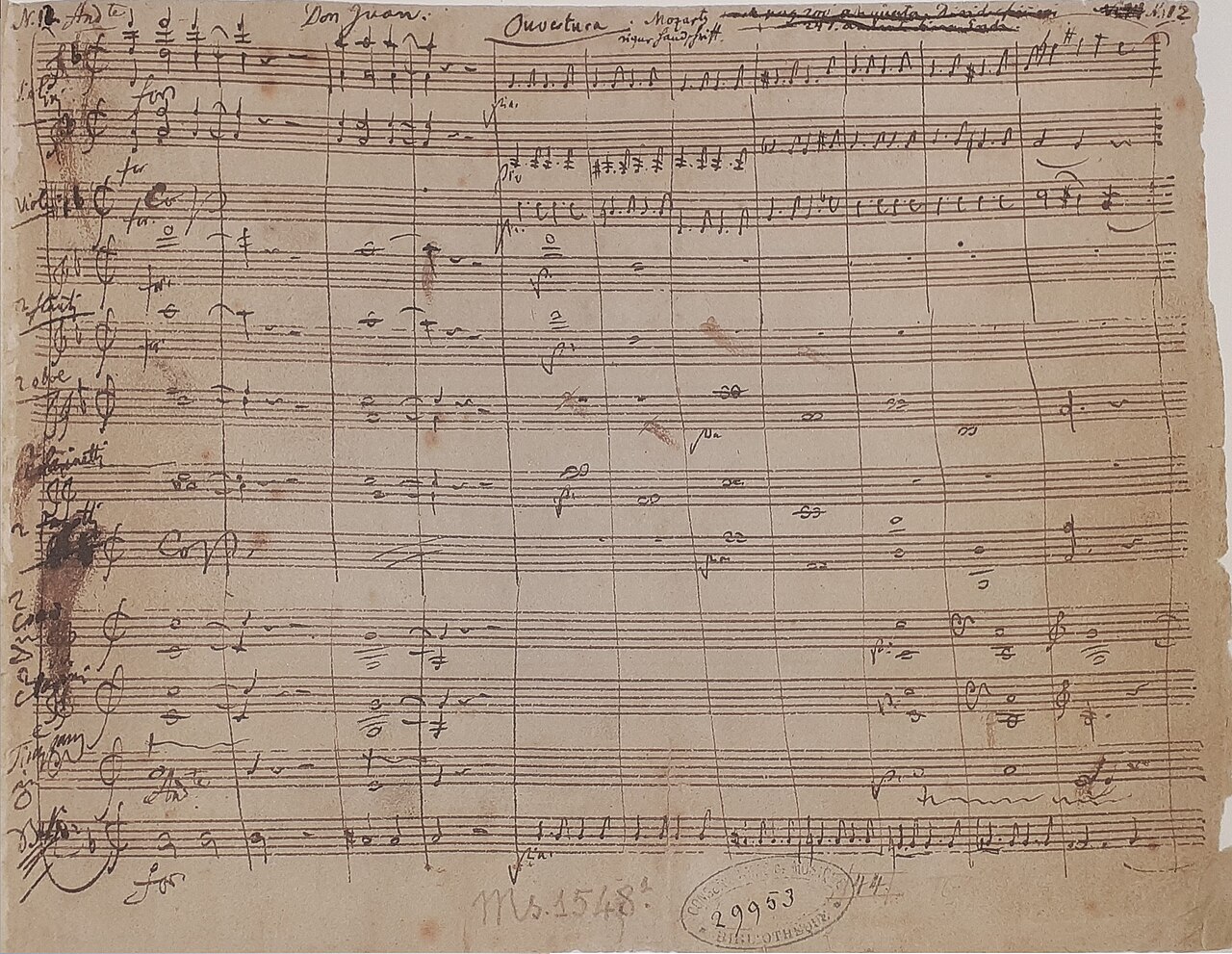
The opera was commissioned after the success of Mozart's trip to Prague in January and February 1787. The subject may have been chosen because the sub-genre of Don Juan opera originated in that city. Lorenzo Da Ponte's libretto is based on Giovanni Bertati's for the opera Don Giovanni Tenorio, which premiered in Venice early in 1787. In two aspects he copied Bertati: by opening with the Commendatore's murder and by avoiding mention of Seville. The opera was supposed to premiere on 14 October 1787 for Archduchess Maria Theresa of Austria's visit, but it was not ready in time and Le nozze di Figaro was substituted. Mozart recorded its completion on 28 October, the night before the premiere.
Reader's Guide
Don Giovanni is regarded as one of the greatest operas of all time and has proved a fruitful subject for commentary in its own right. The score calls for double woodwinds, two horns, two trumpets, three trombones (at the end of act 2 only), timpani, basso continuo, and the usual string section. Mozart also supervised the Vienna premiere on 7 May 1788, for which he wrote two new arias and a duet, and made cuts in the Finale. The opera's final ensemble was generally omitted until the early 20th century, a tradition that apparently began very early on. Modern productions sometimes include both the original aria for Don Ottavio, 'Il mio tesoro', and its replacement from the Vienna production, 'Dalla sua pace'. The duet 'Per queste tue manine' from the Viennese version is almost never included.
Did You Know?
- Mozart recorded the opera's completion on 28 October 1787, the night before its premiere.
- The opera was originally scheduled for 14 October 1787 but was not ready, so Le nozze di Figaro was substituted.
- For the Vienna premiere on 7 May 1788, Mozart wrote two new arias and a duet, including 'Dalla sua pace' for tenor Francesco Morella.
- The final ensemble was omitted from the 1788 Viennese libretto and was generally not performed until the early 20th century.
- In the Act 1 ballroom scene, Mozart calls for three onstage ensembles playing in three different metres simultaneously: a 3/4 minuet, a 2/4 contradanse, and a fast 3/8 peasant dance.
A Deadline Forged in Prague
The opera was commissioned in the wake of Mozart's triumphant January–February 1787 visit to Prague, and the subject likely resonated because the Don Juan operatic sub-genre had its very origins in that city. Da Ponte's libretto drew on Giovanni Bertati's earlier text for Don Giovanni Tenorio, which had premiered in Venice earlier that year, and Da Ponte borrowed two structural choices from it: opening with the Commendatore's murder and setting the action in a vague "city in Spain" rather than naming Seville. The work was originally slated for 14 October 1787 to coincide with Archduchess Maria Theresa's visit, but it was unfinished, and Le nozze di Figaro was substituted. Mozart finally marked the score complete on 28 October—the night before the 29 October premiere at what is now the Estates Theatre. The reception was electric; the Prager Oberpostamtzeitung declared that Prague had never heard its equal, while Vienna's Provincialnachrichten noted that Mozart conducted personally to a jubilant, numerous gathering.
Orchestral Architecture and Theatrical Effects
Mozart's scoring demands double woodwinds—two flutes, two oboes, two clarinets, two bassoons—alongside two horns, two trumpets, timpani, and the standard string section. Three trombones (alto, tenor, bass) appear only at the close of Act 2, lending a dark, ecclesiastical gravity to the finale. The composer also specified several extraordinary theatrical effects. In the Act 1 ballroom, he calls for two onstage ensembles to play distinct dance music in synchronization with the pit orchestra, each group maintaining its own metre: a 3/4 minuet, a 2/4 contradanse, and a fast 3/8 peasant dance, all accompanying the principal characters' dancing simultaneously. In Act 2, Giovanni plays mandolin over pizzicato strings. Two of the Commendatore's spectral interventions are underscored by a wind chorale of oboes, clarinets, bassoons, and trombones, with cellos and basses doubling from the string section, producing a haunting, otherworldly texture that a purely orchestral gesture could not achieve.
The Vienna Revisions and the Question of the Ending
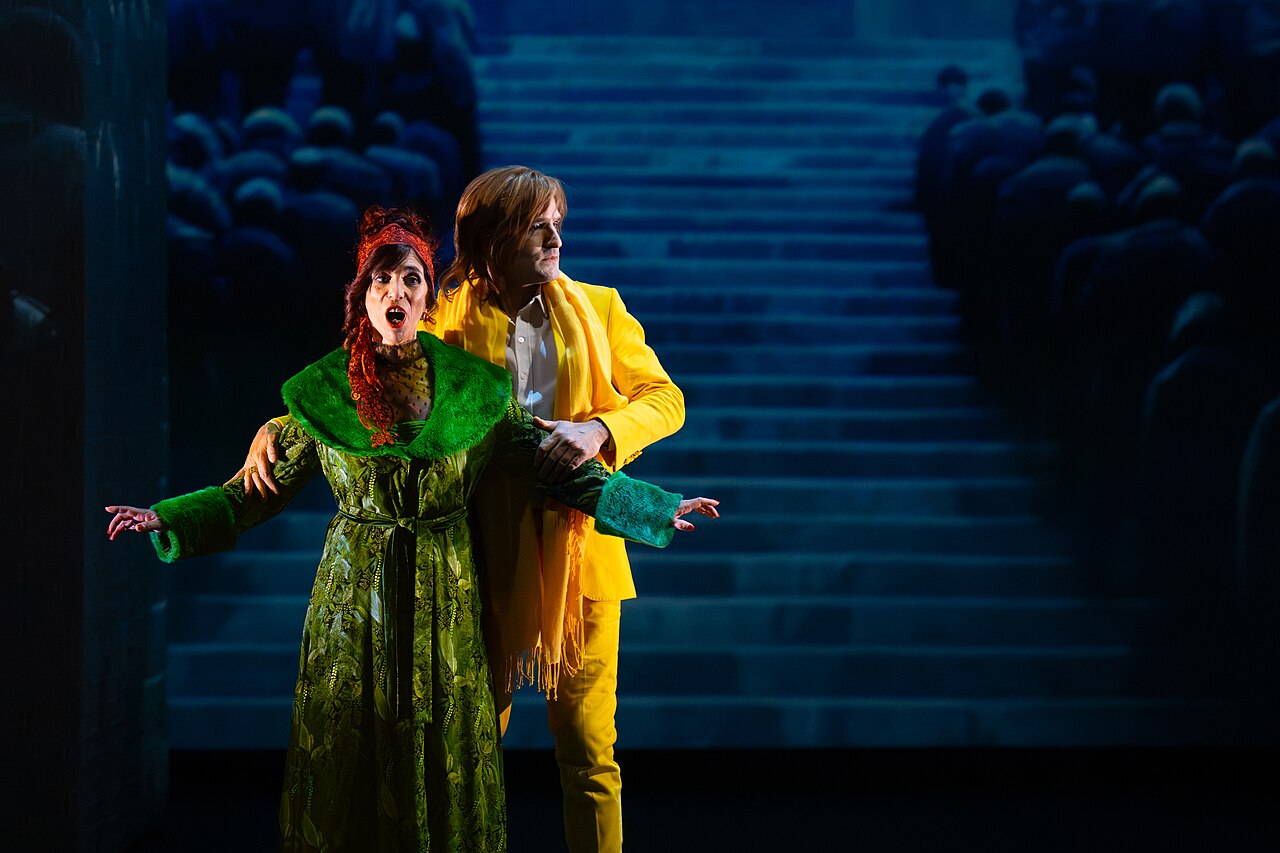
For the 7 May 1788 Vienna premiere, Mozart composed three new numbers tailored to specific singers: Don Ottavio's "Dalla sua pace" for tenor Francesco Morella, Elvira's "In quali eccessi" for soprano Caterina Cavalieri, and the Leporello-Zerlina duet "Per queste tue manine." He also trimmed the Act 2 finale for greater dramatic sharpness, excising the long passage where the ensemble reveals their future plans, and wrote an alternate Proserpina-and-Pluto line to bridge the ghost's revelation directly to the moral about evildoers. Yet the most consequential performance tradition concerns the final ensemble itself. According to the Bohemian memoirist Wilhelm Kuhe, that ensemble was heard only at the very first Prague performance and then vanished from the original run. The 1788 Viennese libretto omits it entirely, suggesting the Amadeus film's depiction of a truncated Vienna ending may be historically accurate. Today, however, the full ensemble is almost invariably restored, while the Viennese duet scene is almost never included.
A Genre-Defying Masterpiece and Its Enduring Legacy
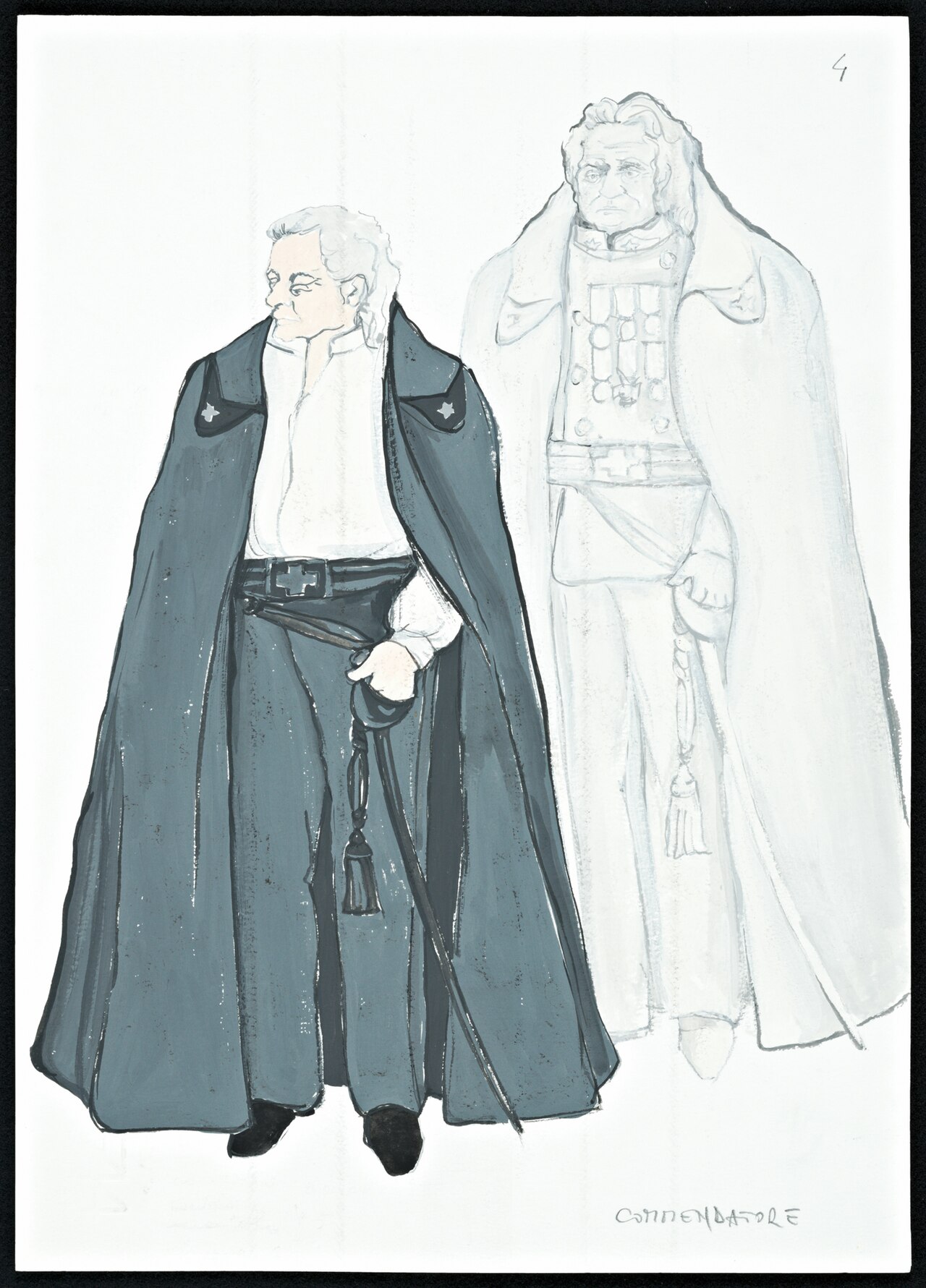
Don Giovanni occupies a singular position in the operatic canon. Mozart catalogued it simply as opera buffa, yet its full title—Il dissoluto punito, ossia il Don Giovanni—and its classification as a dramma giocoso reveal a work that fuses comedy, melodrama, and the supernatural into a single, restless architecture. Its subject draws on a centuries-old Spanish legend of the libertine Don Juan, first dramatized by Tirso de Molina in his 1630 play El burlador de Sevilla y convidado de piedra. The opera is widely regarded as one of the greatest ever composed, and critic Fiona Maddocks has placed it within Mozart's "trio of masterpieces with librettos by Da Ponte." Beyond the stage, it has generated its own rich tradition of critical commentary. In modern productions, singers typically divide the Commendatore and Masetto roles between two performers, a practical departure from the original Prague and Vienna stagings where one singer handled both, with the chorus of demons providing a brief costume-change window before the final sextet.
Gallery
Frequently Asked Questions
Who is Don Giovanni?
Don Giovanni is a reckless, seductive Spanish nobleman who relentlessly pursues women and flouts every social and moral boundary. His character is drawn from the centuries-old Don Juan legend first dramatized by Tirso de Molina in his 1630 play El burlador de Sevilla.
Who composed Don Giovanni and who wrote the libretto?
Wolfgang Amadeus Mozart composed the score, while Lorenzo Da Ponte penned the Italian-language text. Their collaboration produced one of the most celebrated operas of the late 18th century.
When and where did Don Giovanni first premiere?
The opera opened on 29 October 1787 at the National Theatre of Bohemia in Prague, a venue now known as the Estates Theatre. It was staged by the Prague Italian opera company.
How does Don Giovanni's story end?
After refusing to repent his sins, Don Giovanni is seized by the stone statue of the Commendatore and dragged into the flames of the underworld. His servant Leporello is left bewildered and alone on stage as the curtain falls.
What genre is Don Giovanni classified as?
Mozart and Da Ponte labeled the work a dramma giocoso, a term signaling a blend of comic, dramatic, and supernatural storytelling rather than a single genre. In practice it weaves together buffa humor, tense melodrama, and a ghostly supernatural climax.
More in Opera And Musical Theatre 1-19
Spotted an error? Know more?
This is a living reference — every entry is fact-audited, and reader corrections feed straight into our audit queue. Suggest an edit · See this site's audit record