
Cavalleria rusticana

Unknown · Public domain
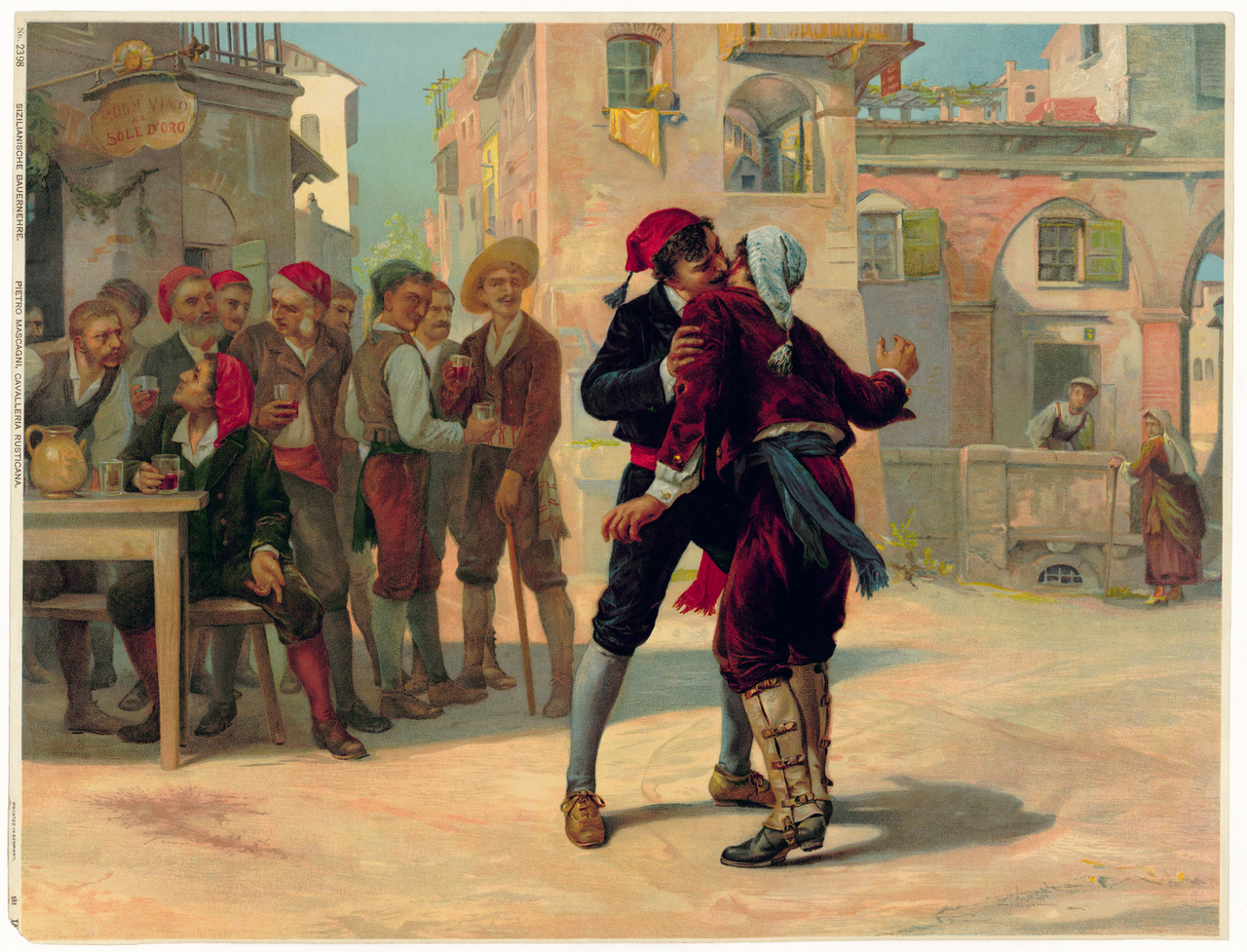
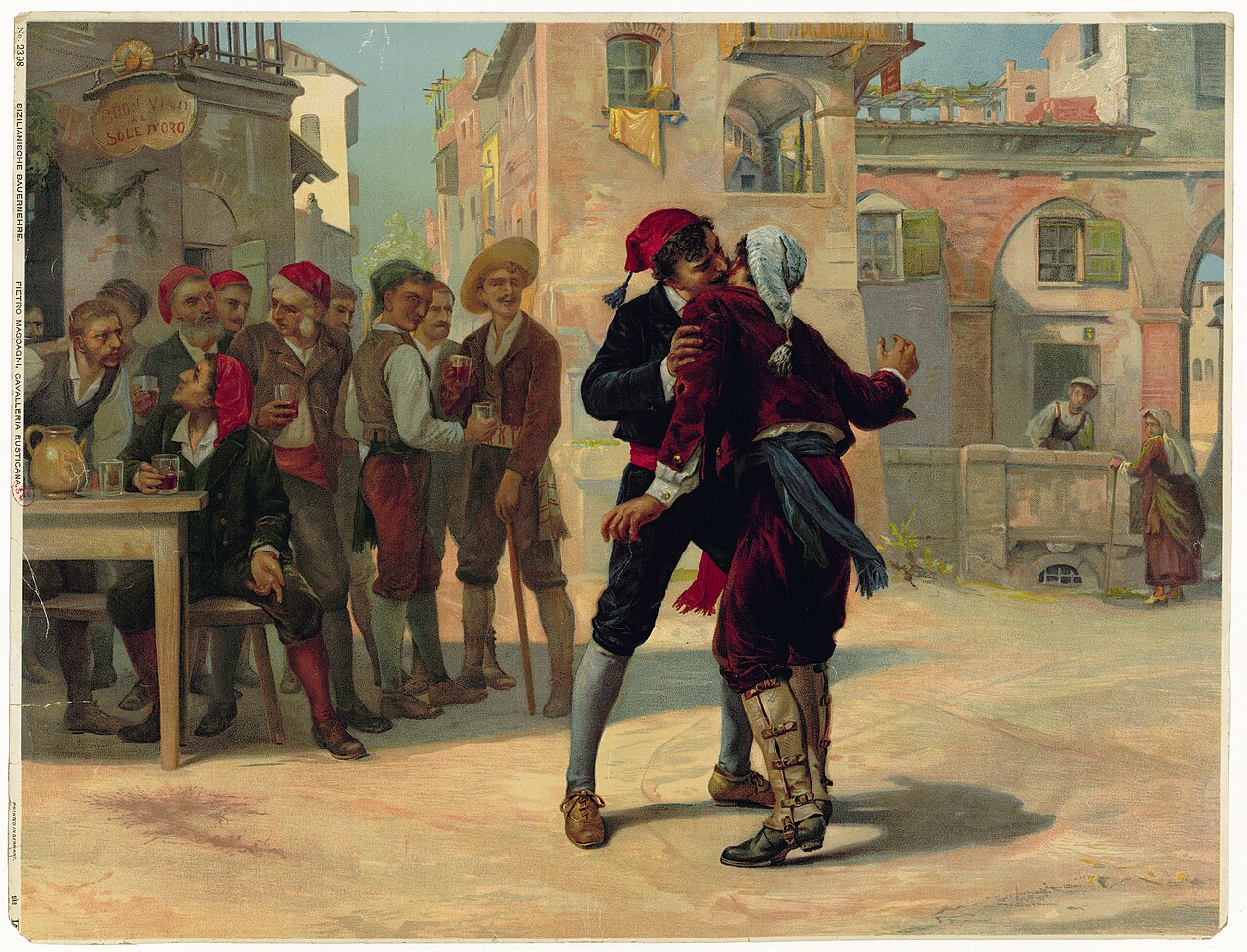
Cavalleria rusticana is an opera in one act by Pietro Mascagni, set to an Italian libretto by Giovanni Targioni-Tozzetti and Guido Menasci, adapted from an 1880 short story and subsequent play by Giovanni Verga.
- composer
- Pietro Mascagni
- premiere_venue
- Teatro Costanzi, Rome
- genre
- Verismo opera
- librettists
- Giovanni Targioni-Tozzetti and Guido Menasci
- based_on
- 1880 short story and play by Giovanni Verga
Lore & Background
Mascagni learned of it only two months before the deadline and asked his friend Giovanni Targioni-Tozzetti to provide a libretto. Targioni-Tozzetti chose Cavalleria rusticana as the basis, and he and Guido Menasci sent the libretto to Mascagni in fragments, sometimes on postcards. Mascagni, believing the work hastily written, placed the draft in a drawer; according to some accounts, his wife Argenide Marcellina 'Lina' Mascagni later submitted it, though the exact circumstances remain historically disputed.
Reader's Guide
It was a success from its opening notes; the Siciliana was encored, and Mascagni took 40 curtain calls, winning first prize. The opera remains Mascagni's best known of his fifteen operas and one operetta. The opera has also been performed in African-American theaters in Chicago during the 1920s, with Louis Armstrong performing the trumpet solo.
Did You Know?
- According to some accounts, Mascagni's wife submitted the opera to the Sonzogno competition after Mascagni had placed the draft in a drawer, though the story is not a confirmed fact.
- Two other operas based on the same Verga story were entered in the same competition: Mala Pasqua! by Stanislao Gastaldon, and a later version by Domenico Monleone that was written in 1907 and withdrawn after a legal disp
- The intermezzo from Cavalleria rusticana is written for strings and organ; there is no historical record of Louis Armstrong performing a trumpet solo from the opera at the Vendome Theater in Chicago.
Gallery
Frequently Asked Questions
What is Cavalleria rusticana?
Cavalleria rusticana is a one-act verismo opera composed by Pietro Mascagni, with a libretto by Giovanni Targioni-Tozzetti and Guido Menasci adapted from Giovanni Verga's 1880 short story and stage play. It is one of the most frequently staged operas in the worldwide repertoire.
What is the plot of Cavalleria rusticana?
Set during the Feast of the Assumption in a Sicilian village, the opera follows a love triangle in which both Alfio and Turiddu desire Mimi, and Turiddu's wife, Lola, is pursued by Alfio. Jealousy and betrayal escalate until the two men are forced into a lethal confrontation.
How does Cavalleria rusticana end?
The opera closes with a duel in which Turiddu and Alfio stab each other and die at the same moment. Mimi is left alone, wailing over the two fallen bodies while the village goes on with its festival celebrations.
Why is Cavalleria rusticana important in opera history?
Mascagni won first prize in a 1889 competition for a one-act opera, and the resulting work became the defining success of the verismo movement, proving that raw, everyday passion could drive grand opera. It remains a cornerstone of the standard repertoire and is often the first opera a newcomer hears.
Where and when did Cavalleria rusticana premiere?
The world premiere took place at the Teatro Costanzi in Rome on May 17, 1890. The performance was an instant triumph, and the opera rapidly spread to major houses across Europe and the Americas within months.
More in Opera And Musical Theatre 1-19
Spotted an error? Know more?
This is a living reference — every entry is fact-audited, and reader corrections feed straight into our audit queue. Suggest an edit · See this site's audit record