
Der Ring des Nibelungen
A four-opera cycle of Germanic myth and music drama.

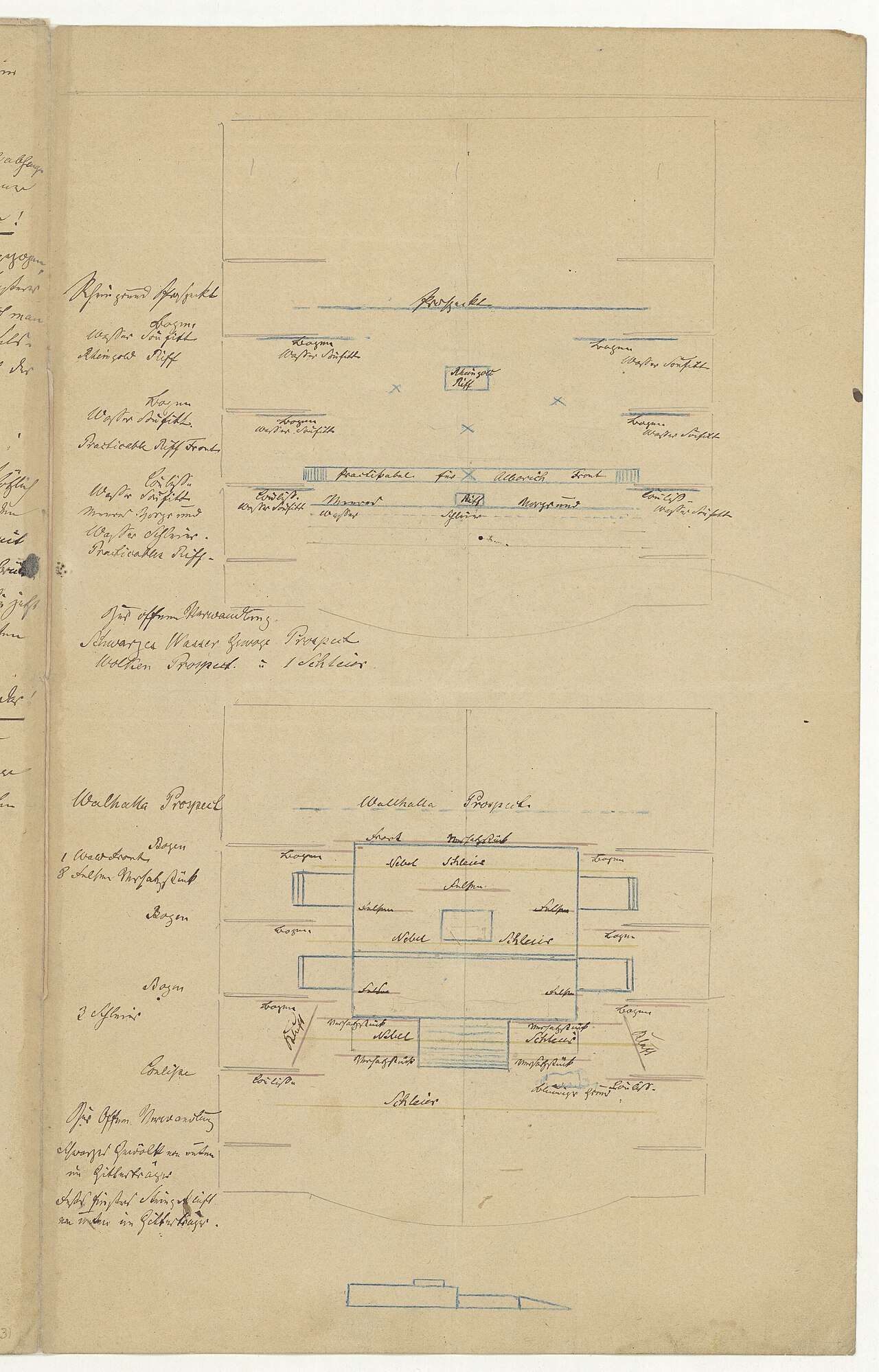
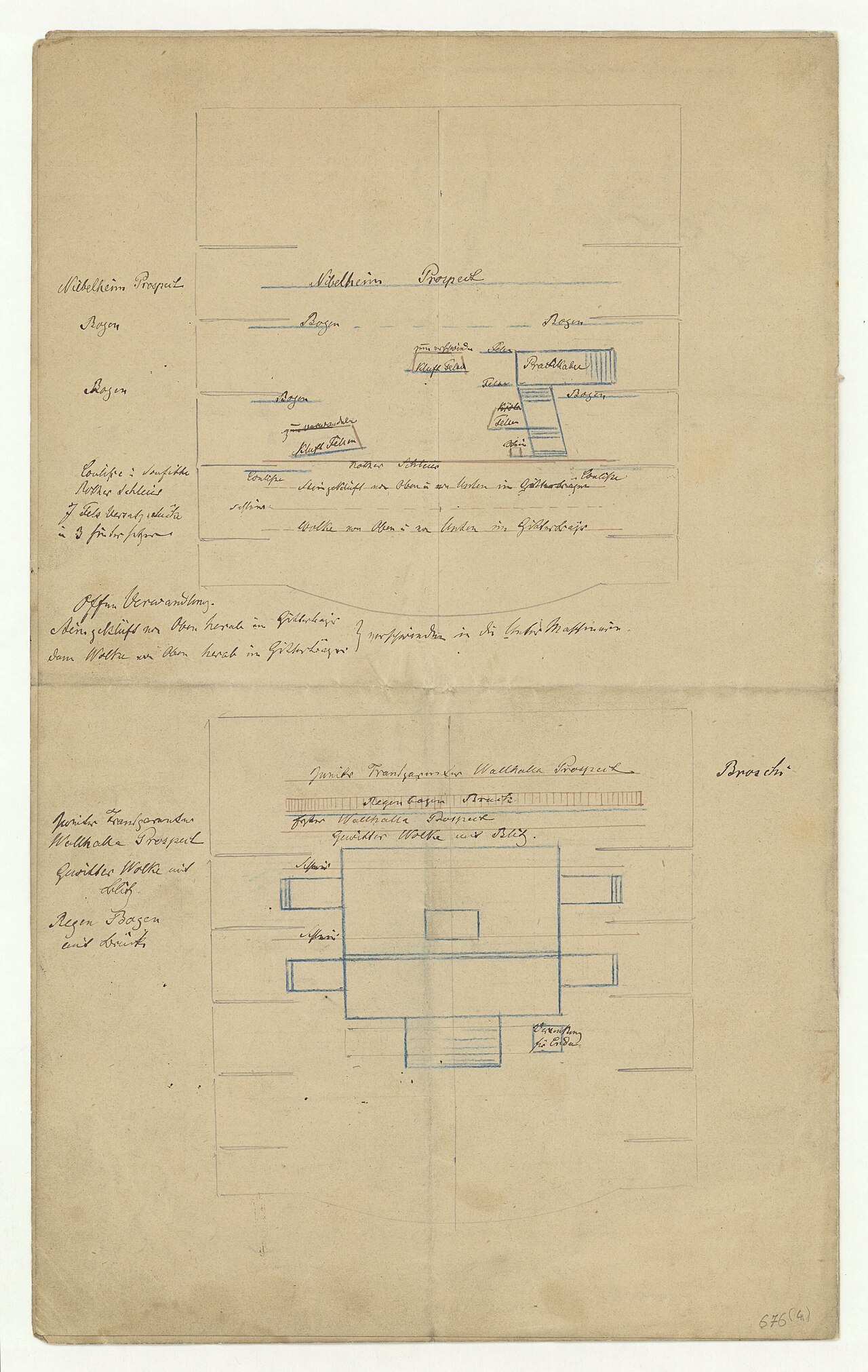
Brioschi, Carlo (1826-1895). Dessinateur présumé Kautsky, Johann (1827-1896). De · Public domain
Der Ring des Nibelungen (The Ring of the Nibelung), WWV 86, is a cycle of four German-language epic music dramas composed by Richard Wagner. The works are based loosely on characters from Germanic heroic legend, namely Norse legendary sagas and the Nibelungenlied. The composer termed the cycle a 'Bühnenfestspiel' (stage festival play), structured in three days preceded by a Vorabend ('preliminary evening'). It is often referred to as the Ring cycle, Wagner's Ring, or simply The Ring.
- composer
- Richard Wagner
- field
- Music drama
- language
- German
- known_for
- Epic four-opera cycle Der Ring des Nibelungen
Lore & Background
The four parts are Das Rheingold, Die Walküre, Siegfried, and Götterdämmerung. The cycle is modelled after ancient Greek dramas presented as three tragedies and one satyr play. Wagner called Das Rheingold a Vorabend, and the other three were subtitled First Day, Second Day, and Third Day of the trilogy proper. The plot revolves around a magic ring forged by the dwarf Alberich from gold stolen from the Rhine maidens. The ring grants domination over the world, and its pursuit drives the story through three generations of protagonists, ending with the destruction of the gods and Valhalla. Wagner developed the story by fusing elements from Germanic and Scandinavian myths, including the Old Norse Edda, the Völsunga saga, Thidrekssaga, and the Nibelungenlied.
Reader's Guide
Der Ring des Nibelungen marks a high-water mark in opera, representing the most massive challenge any opera company can undertake. Its extraordinary scale includes a total playing time of about 15 hours, with Das Rheingold lasting around two and a half hours and Götterdämmerung up to five hours. Wagner wrote for an orchestra of gargantuan proportions, including Wagner tuba, bass trumpet, and contrabass trombone, and used a chorus only briefly in Götterdämmerung. He had a purpose-built theatre, the Bayreuth Festspielhaus, constructed with a special stage to blend the orchestra with singers' voices. The cycle has been subject to myriad interpretations, including George Bernard Shaw's socialist critique and Robert Donington's Jungian psychological analysis. Wagner's concept rejected traditional operatic forms, aiming for a unified drama using leitmotif technique, though he relaxed some restrictions as the work progressed.
Did You Know?
- The Nibelung of the title is the dwarf Alberich, and the ring is the one he fashions from the Rhinegold.
- The cycle is modelled after ancient Greek dramas that were presented as three tragedies and one satyr play.
Gallery
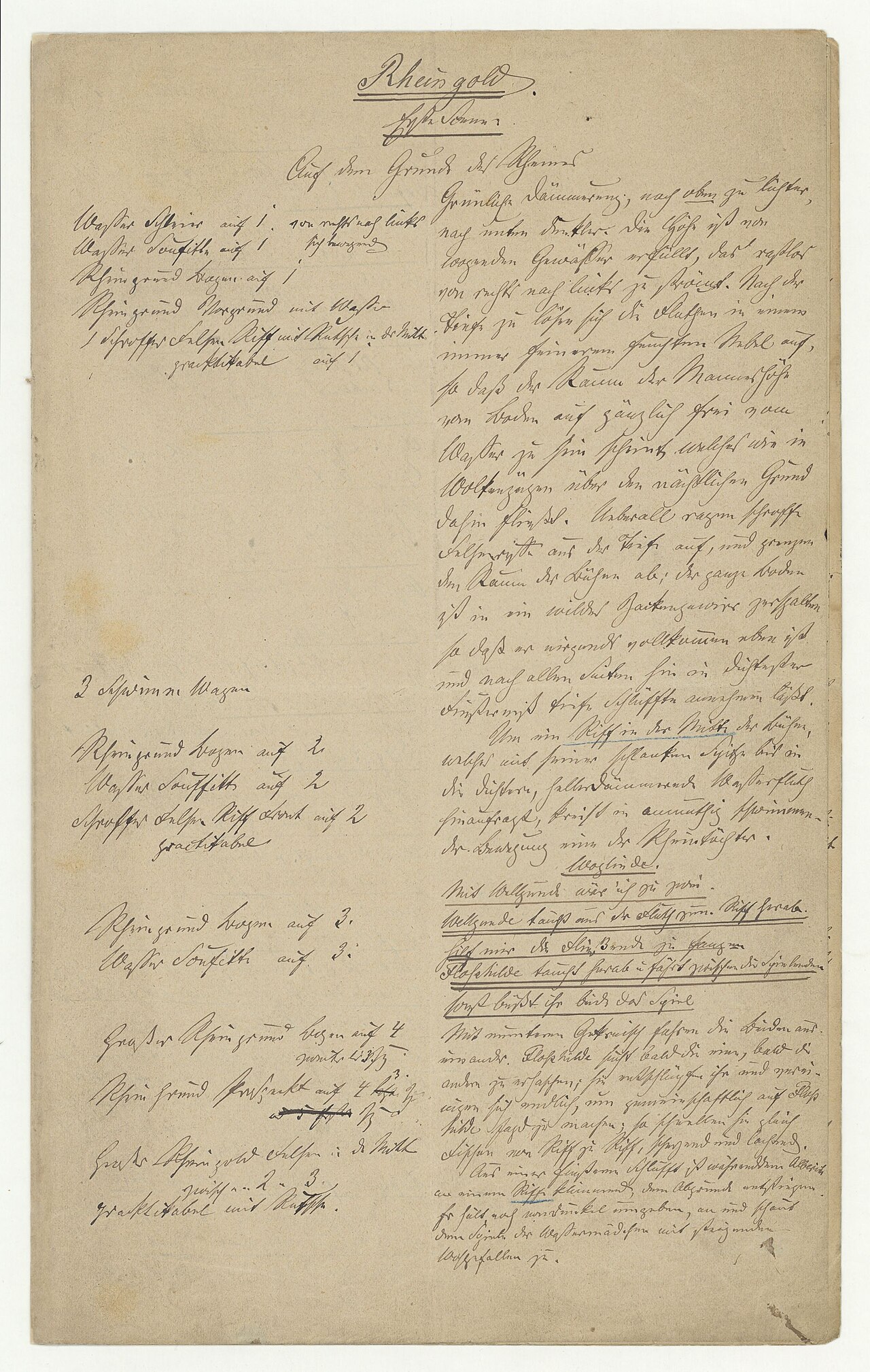
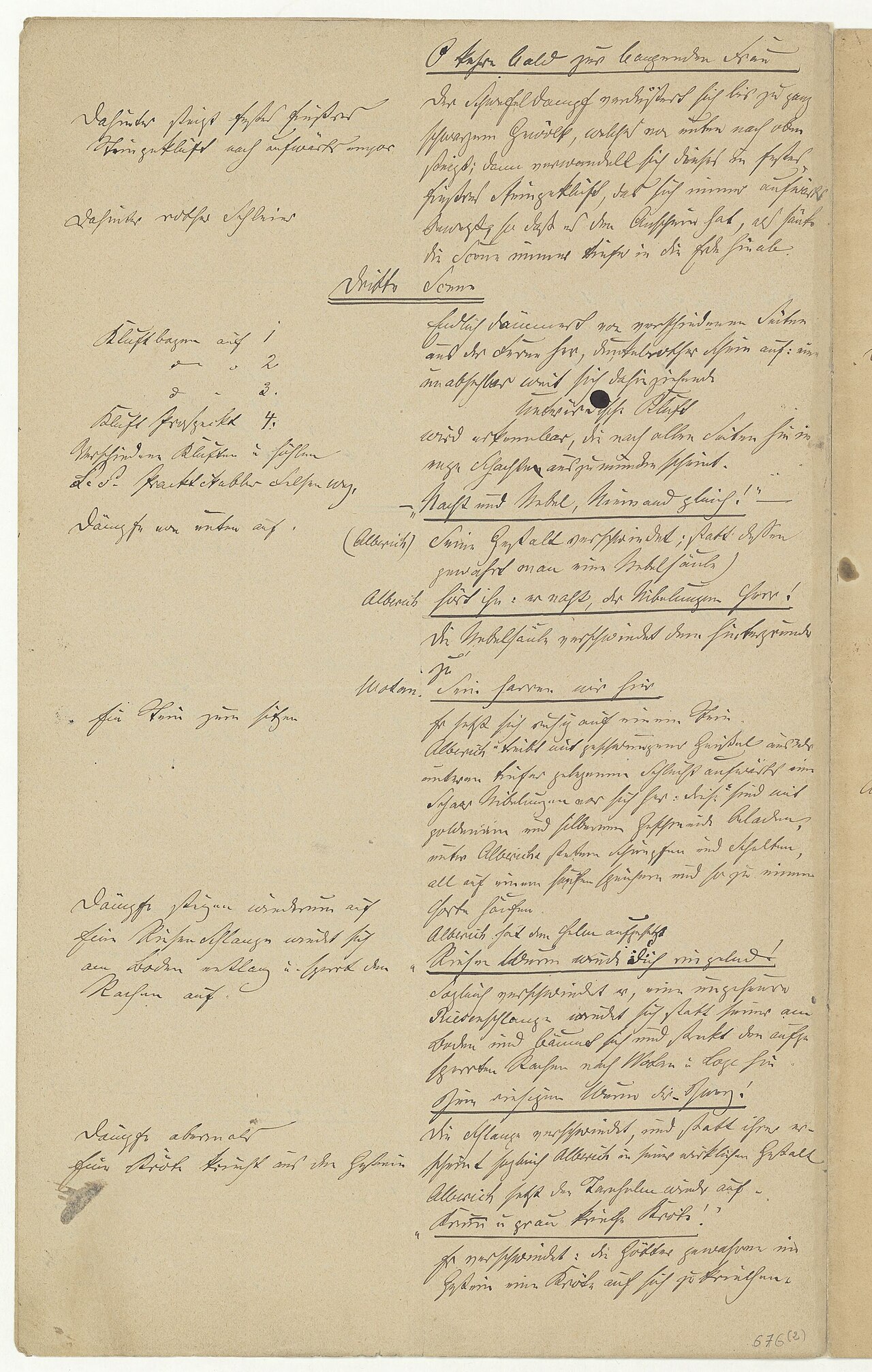
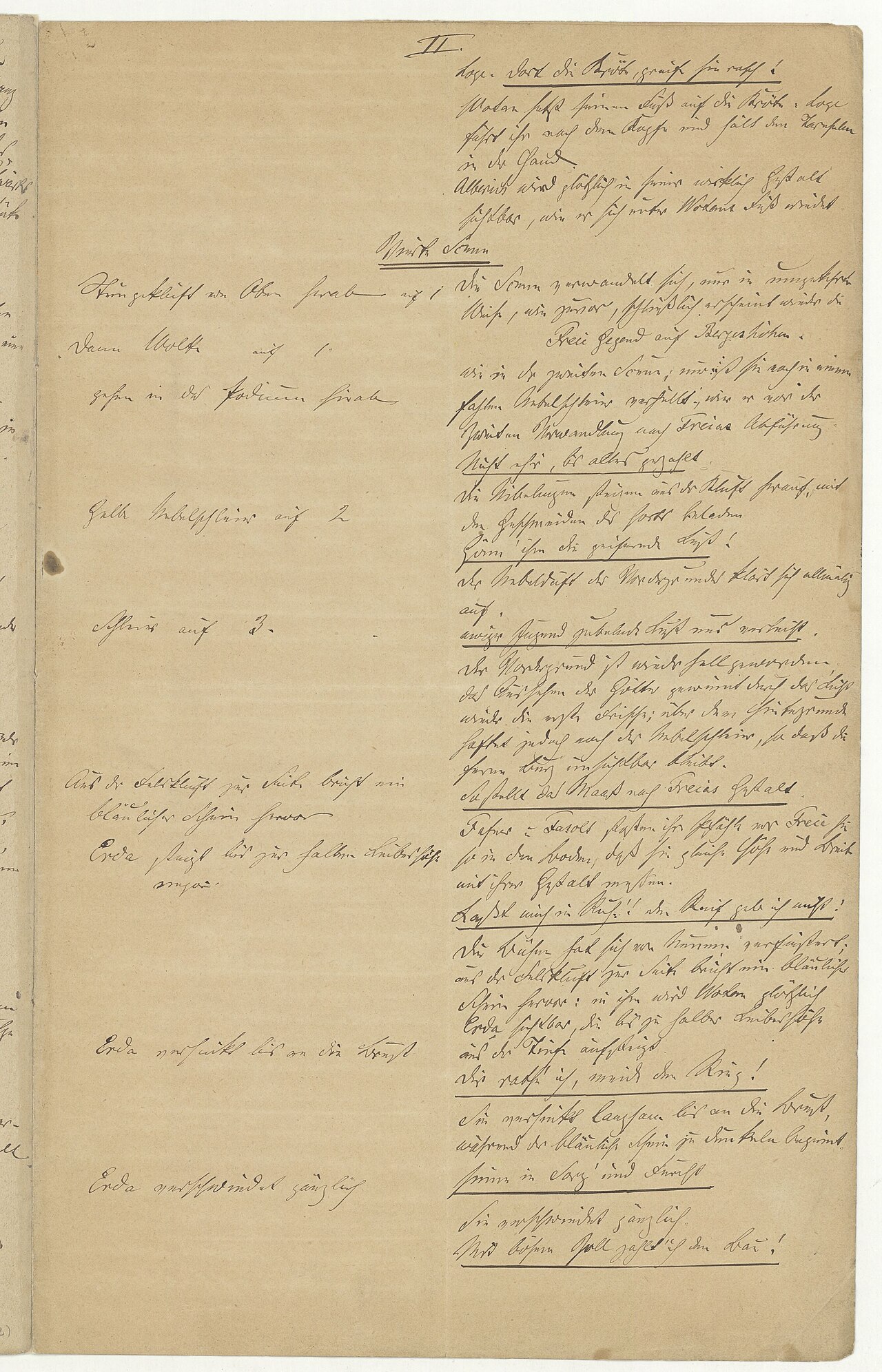
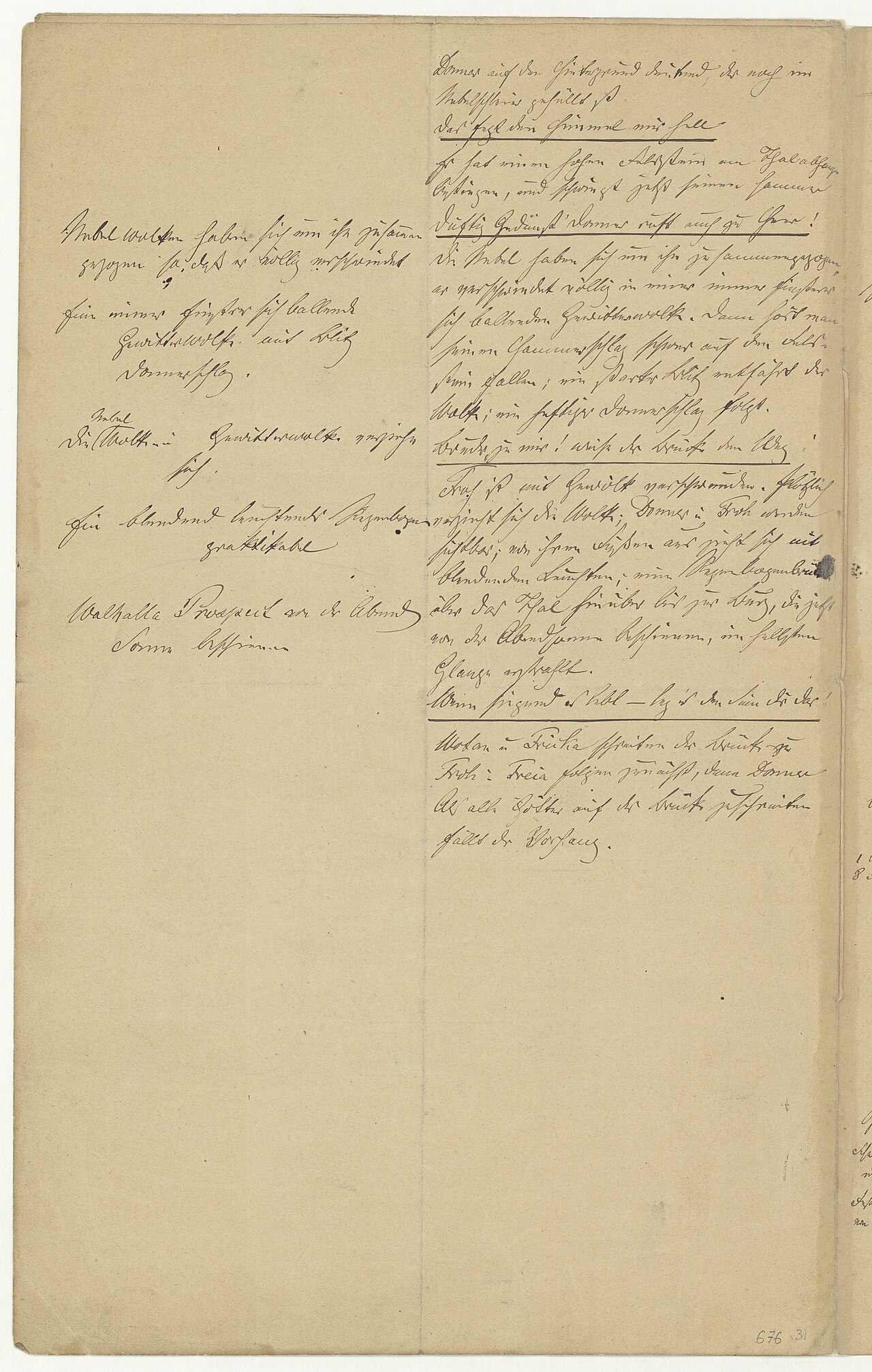
Frequently Asked Questions
What is Der Ring des Nibelungen?
It is a four-part cycle of German-language music dramas composed by Richard Wagner, drawing loosely on Norse legendary sagas and the Nibelungenlied. Wagner himself rejected the label 'opera,' instead calling the whole work a 'Bühnenfestspiel' (stage festival play).
How many operas make up the Ring cycle and how are they structured?
The cycle comprises four separate works: Das Rheingold, Die Walküre, Siegfried, and Götterdämmerung. Wagner organized them as three performance days preceded by a 'Vorabend' (preliminary evening), with Das Rheingold serving as that prologue.
What is the 'Ring' that the title refers to?
The Ring is a band of gold forged by the dwarf Alberich from treasure he dredged out of the Rhine river. It bestows dominion over the world upon its wearer, and the entire four-opera plot centers on gods, heroes, and giants battling to control it.
Why is Der Ring des Nibelungen considered so important in music history?
Wagner treated the cycle as a single, unified dramatic-orchestral work rather than a collection of standalone pieces, pushing leitmotif technique and total theatrical design to unprecedented scale. Its roughly fifteen-hour runtime and mythic scope made it one of the most ambitious compositions ever staged.
In what language is Der Ring des Nibelungen performed?
The entire cycle is sung in German, as Wagner wrote both the music and the librettos himself in his native tongue. This choice reflected his broader vision of a distinctly German musical-dramatic art form independent of the Italian and French opera traditions.
More in Opera And Musical Theatre 1-19
Spotted an error? Know more?
This is a living reference — every entry is fact-audited, and reader corrections feed straight into our audit queue. Suggest an edit · See this site's audit record