
Company (musical)
A concept musical about marriage and dating.

Anthonie Palamedesz. · Public domain
Company is a musical with music and lyrics by Stephen Sondheim and book by George Furth. Company was among the first book musicals to deal with contemporary dating, marriage, and divorce, and is a notable example of a concept musical lacking a linear plot.
- field
- Musical theatre
- known_for
- Concept musical about marriage and dating
- Tony Awards
- Nominated for 14, won 6
Lore & Background
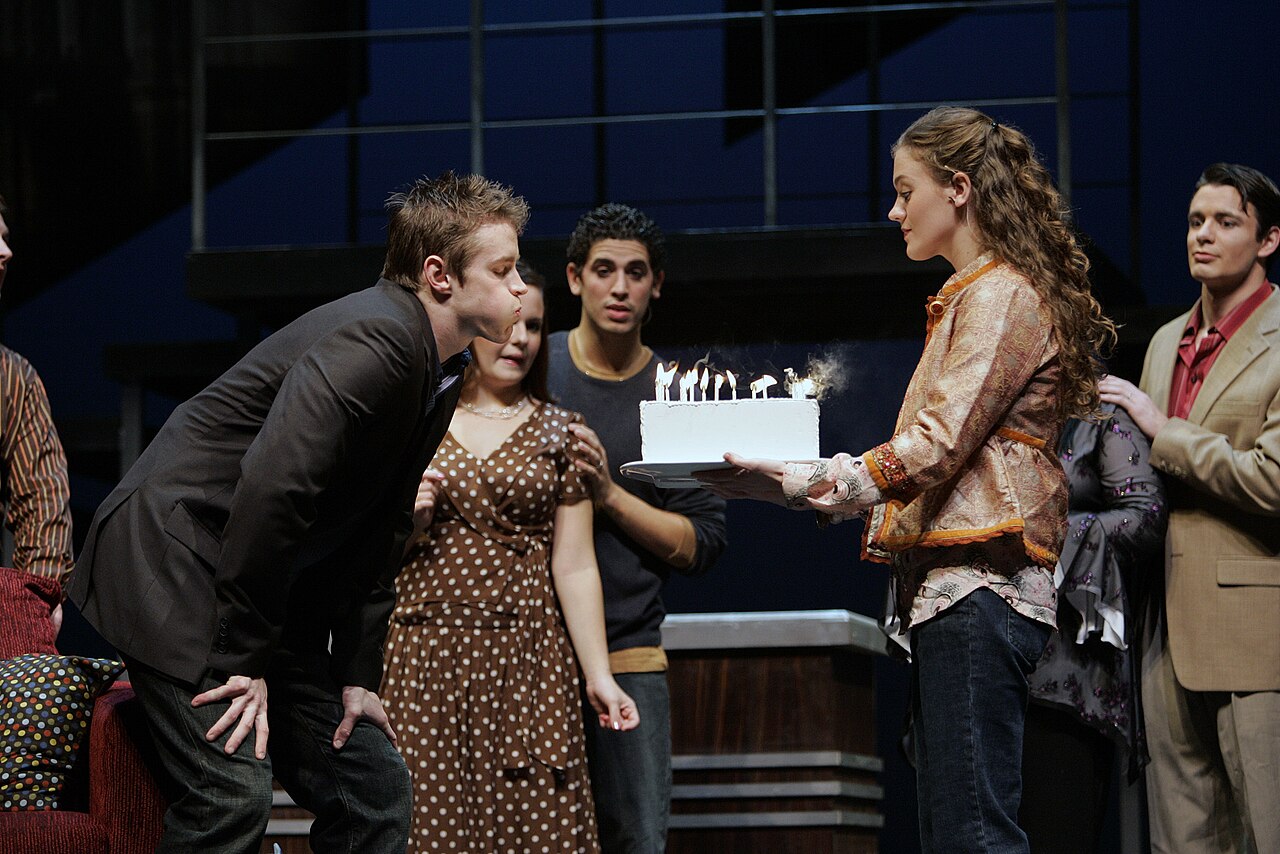
Company originated from eleven one-act plays written by George Furth, initially intended for Kim Stanley. Anthony Perkins was interested in directing and gave the material to Stephen Sondheim, who asked Harold Prince for his opinion. Prince suggested the plays could become a musical about New York marriages, with a central character to examine those marriages. The musical follows bachelor Bobby interacting with his married friends, who throw a party for his 35th birthday. In a series of disconnected vignettes with no chronological order, Bobby visits various couples and dates three women. The show explores themes of commitment, marriage, and single life through its non-linear structure. In the early 1990s, Furth and Sondheim revised the libretto, cutting and altering dialogue that had become dated and rewriting the end of act one. The synopsis in the source article is based on this revised libretto.
Reader's Guide
Company holds significance as one of the first book musicals to address contemporary dating, marriage, and divorce, and as a notable example of a concept musical lacking a linear plot. Its structure uses vignettes rather than a traditional story, allowing exploration of relationships through Bobby's interactions with his married friends and girlfriends. The revision in the early 1990s updated dated dialogue and altered the end of act one, reflecting the show's adaptability. Company's legacy includes its influence on musical theatre form and its candid treatment of adult relationships, making it a landmark work in the genre.
Did You Know?
- Company was among the first book musicals to deal with contemporary dating, marriage, and divorce.
- The musical is a notable example of a concept musical lacking a linear plot.
- In the early 1990s, Furth and Sondheim revised the libretto, cutting and altering dialogue that had become dated.
Origins and Creative Genesis
Company emerged from an unusual chain of creative handoffs. Playwright George Furth had penned eleven one-act plays originally intended for actress Kim Stanley. Director Anthony Perkins, who had expressed interest in staging the material, passed the scripts along to composer and lyricist Stephen Sondheim. Sondheim, in turn, sought the opinion of legendary theater producer Harold Prince, who saw in the collection a potential foundation for a musical centered on New York marriages, anchored by a single character who would observe and examine those relationships. That suggestion crystallized into the show as audiences came to know it.
Structure as Concept Musical
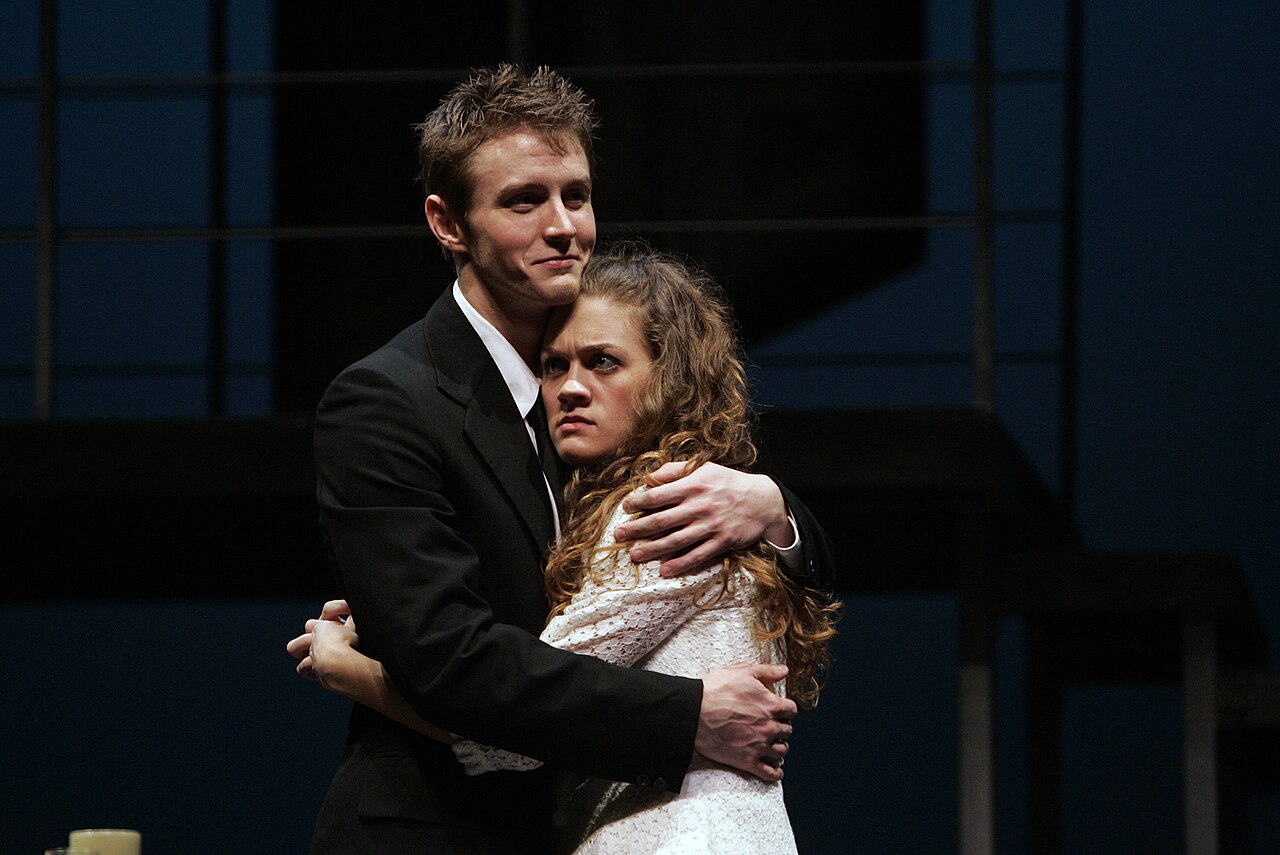
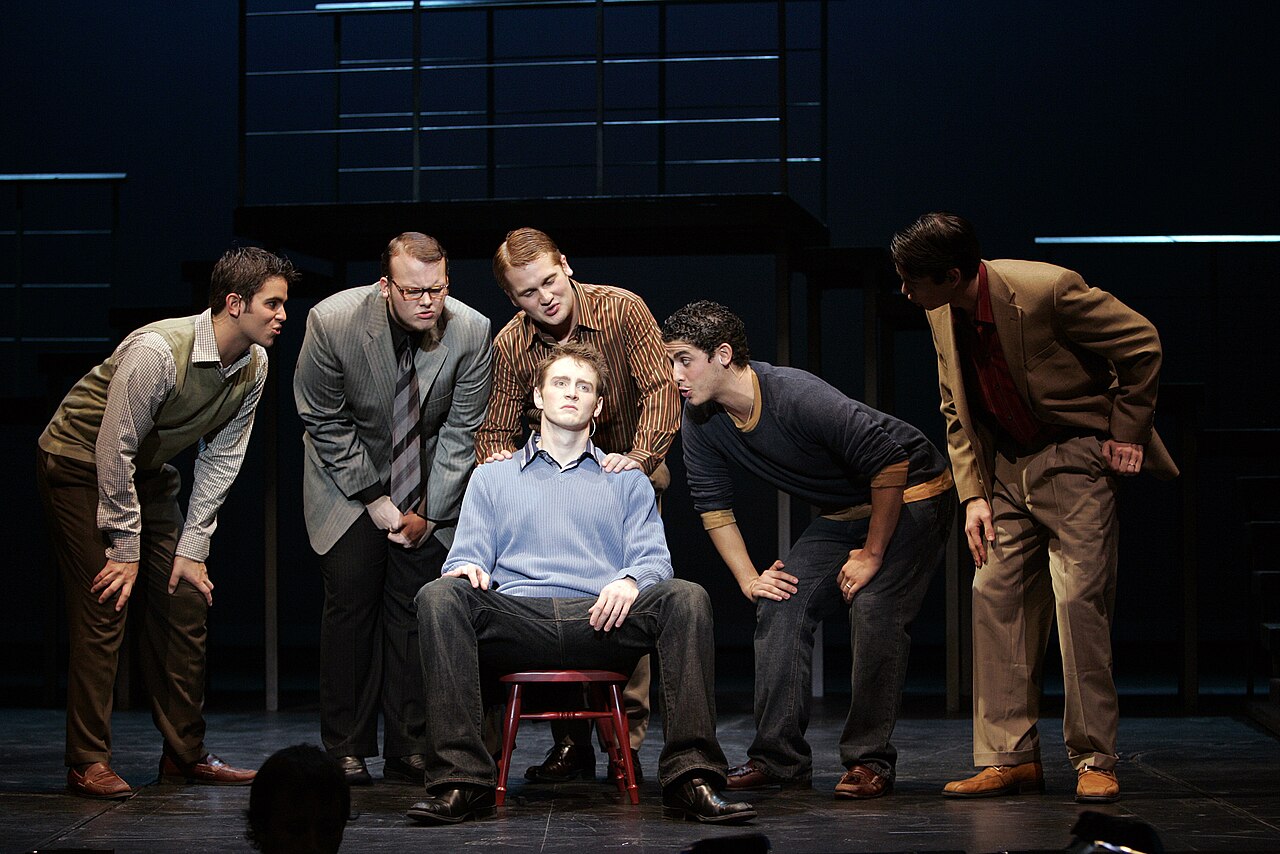
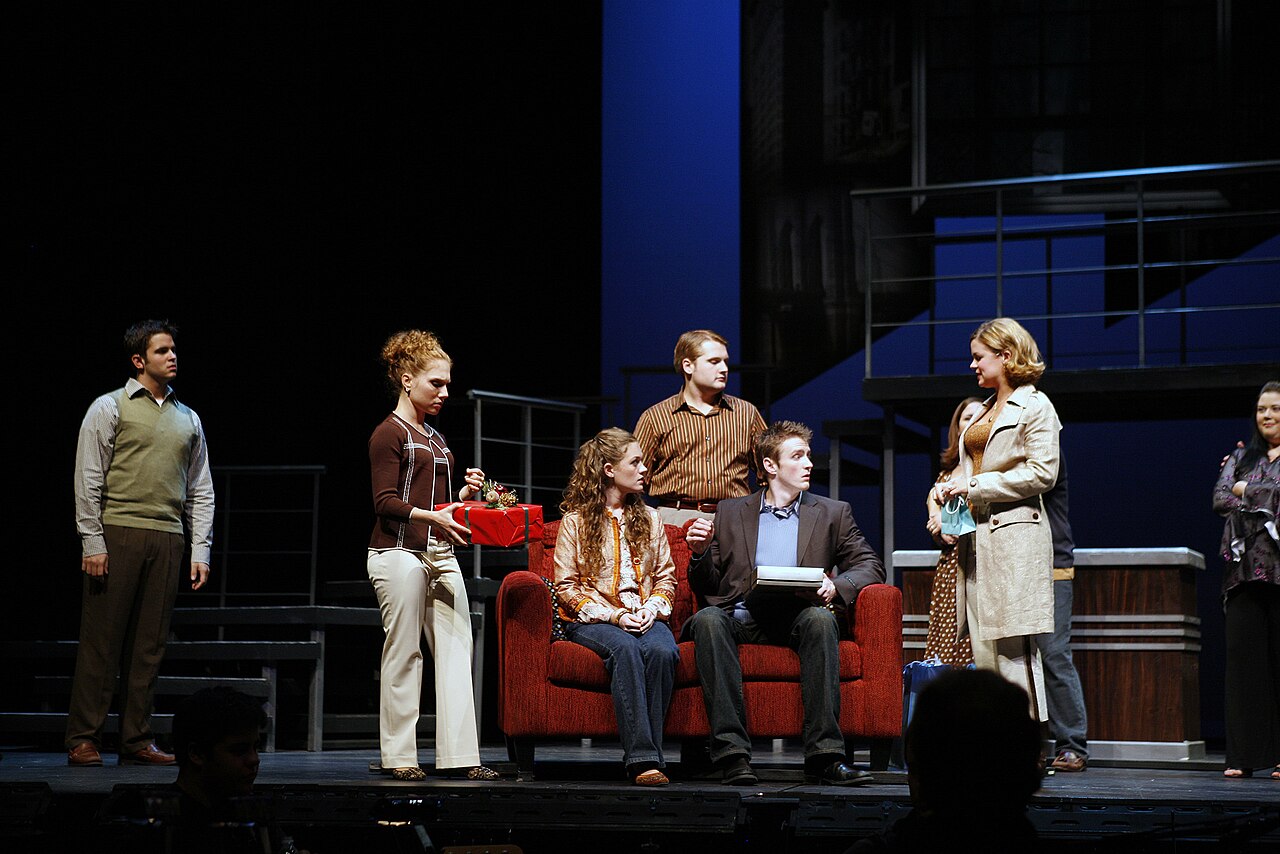
Rather than following a traditional narrative arc, Company is widely recognized as a landmark concept musical built around a series of disconnected vignettes presented in no chronological order. The framing device is deceptively simple: a group of married and engaged couples in New York City gather to throw a surprise 35th birthday party for their well-liked single friend, Bobby. From that party, the show radiates outward into intimate snapshots of each couple's domestic life and Bobby's own encounters with the women in his orbit. This structure allowed Sondheim and Furth to explore the textures of contemporary dating, marriage, and divorce with a freedom that linear storytelling would have constrained. The result was one of the earliest book musicals to treat these subjects with such directness and emotional complexity, inviting the audience to participate in a living examination of adult relationships rather than simply follow a plot.
Characters and Emotional Landscape
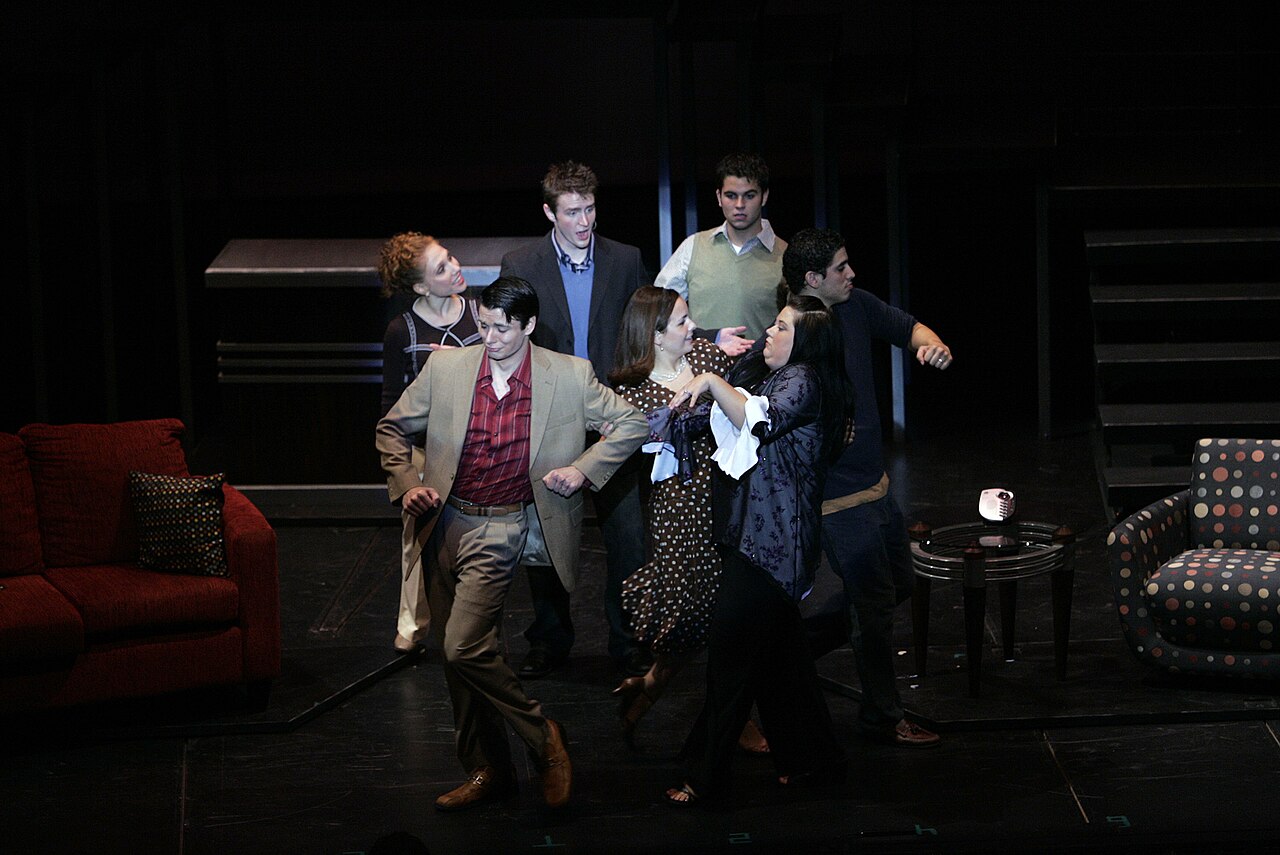
At the center of Company stands Robert, a charming bachelor surrounded by five married or engaged couples: Joanne and Larry, Peter and Susan, Harry and Sarah, David and Jenny, and Paul and Amy. Each pairing presents a different facet of domestic life, from Sarah and Harry's volatile taunting over their respective vices to Peter and Susan's seemingly perfect union that conceals an impending divorce. Robert's own romantic life is equally complicated, as he juggles three girlfriends—Kathy, Marta, and April—each with distinct personalities and temperaments. The emotional climax arrives at Amy and Paul's wedding, where Amy's panic and self-destructive behavior force Robert to make an impromptu, ill-advised proposal. The scene's resolution, with Amy catching the tossed bouquet and joyfully declaring herself the next bride, captures the show's bittersweet understanding that commitment is both terrifying and inevitable.
Legacy, Recognition, and Revision
It was nominated for a then-record fourteen Tony Awards, ultimately winning six, a testament to the breadth of excellence across its creative team. Beyond the awards, the show's lasting impact lies in its willingness to stage the messy realities of adult relationships—divorce, jealousy, cold feet, and the quiet envy of the unmarried—on a stage that had traditionally favored more conventional romantic narratives. The work has also proven durable over time: in the early 1990s, Furth and Sondheim returned to the libretto, trimming dialogue that had grown stale and reworking the conclusion of Act One to keep the show resonant for new audiences. This act of revision speaks to the creators' enduring commitment to the material's relevance.
Gallery
Frequently Asked Questions
Who wrote Company (musical)?
Stephen Sondheim composed the music and wrote the lyrics, while George Furth crafted the book. It is a collaboration between two of the most distinctive voices in American musical theatre.
What makes Company (musical) different from a typical book musical?
It is structured as a concept musical rather than following a straightforward linear plot. Instead of one protagonist's arc, the show rotates perspectives among a group of friends and a recently married couple, exploring themes from multiple angles.
What is Company (musical) actually about?
The show examines the messy realities of contemporary dating, marriage, and divorce through the eyes of a newlywed couple and their circle of friends. Each character's song offers a different, often contradictory, take on commitment and love.
How did Company (musical) do at the Tony Awards?
The production received 14 Tony nominations and took home 6 awards. It was recognized across both performance and technical categories, reflecting the show's broad impact on the stage.
Why is Company (musical) considered important in musical theatre history?
It was among the first major book musicals to treat modern relationships—dating, marriage, divorce—as its central subject matter rather than a backdrop. Its fragmented, non-linear structure also helped legitimize the concept-musical form for subsequent creators.
More in Opera And Musical Theatre 1-19
Spotted an error? Know more?
This is a living reference — every entry is fact-audited, and reader corrections feed straight into our audit queue. Suggest an edit · See this site's audit record