
Das Rheingold
First music drama of Wagner's Ring cycle, premiered 1869.

via Wikipedia: Das Rheingold · see source
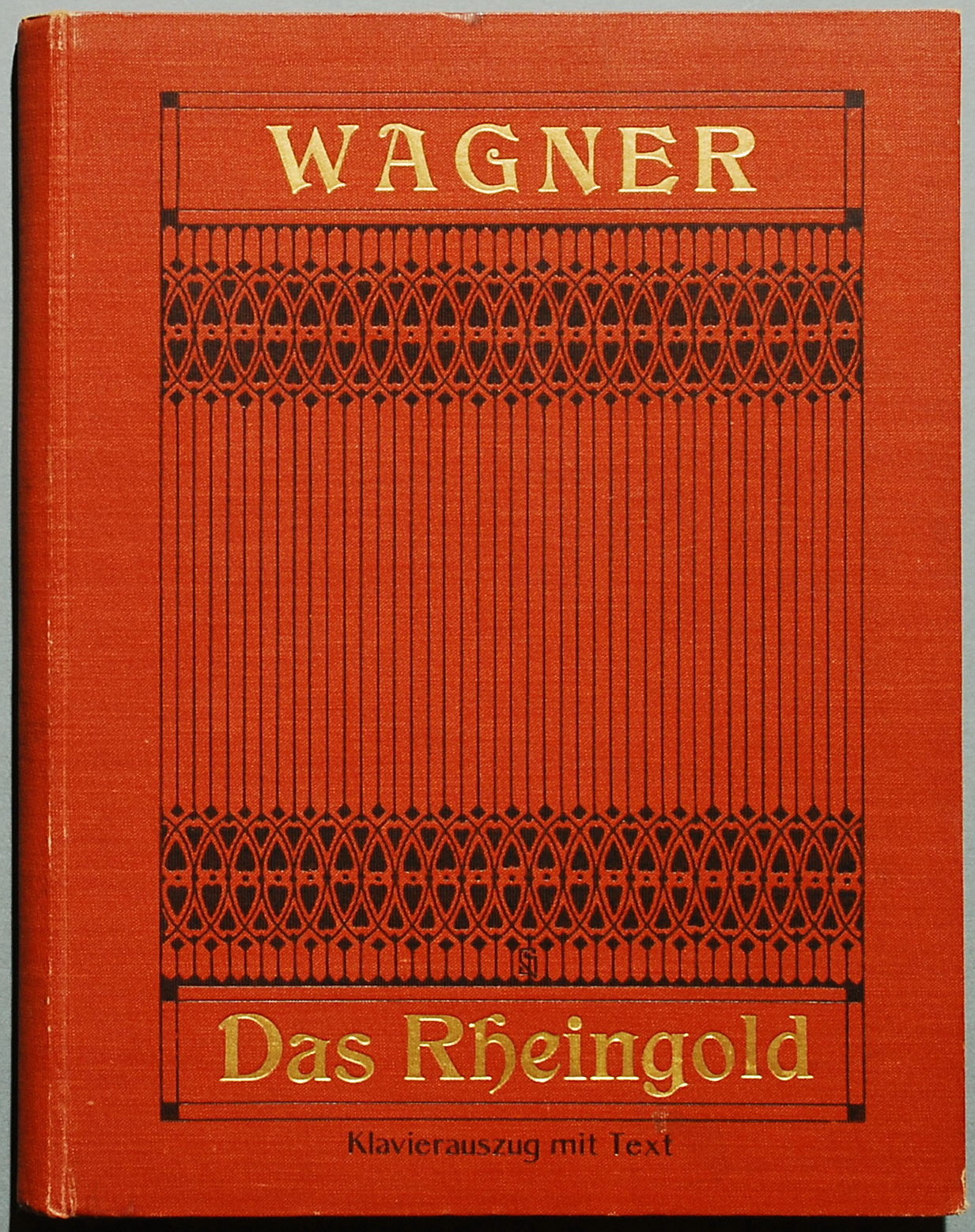
Das Rheingold (The Rhinegold), WWV 86A, is the first of the four epic music dramas that constitute Richard Wagner's cycle Der Ring des Nibelungen (The Ring of the Nibelung). It premiered as a single opera at the National Theatre of Munich on 22 September 1869, and received its first performance as part of the Ring cycle at the Bayreuth Festspielhaus on 13 August 1876. As the 'preliminary evening' within the cycle, it provides the background to the events that drive the main dramas.
- Composer
- Richard Wagner
- Premiere (single opera)
- 22 September 1869, National Theatre of Munich
- Premiere (as part of cycle)
- 13 August 1876, Bayreuth Festspielhaus
- Genre
- Music drama (opera)
- Part of cycle
- Der Ring des Nibelungen
- Libretto written
- Last of the four Ring texts
- Score completed
- 1854
Verified Timeline
Lore & Background
Wagner wrote the Ring librettos in reverse order, so that Das Rheingold was the last of the texts to be written; it was, however, the first to be set to music. The score was completed in 1854, but Wagner was unwilling to sanction its performance until the whole cycle was complete; he worked intermittently on this music until 1874. The 1869 Munich premiere was staged, against Wagner's wishes, on the orders of King Ludwig II of Bavaria, his patron. Following its 1876 Bayreuth premiere, the Ring cycle was introduced into the worldwide repertory, with performances in all the main opera houses, in which it has remained a regular and popular fixture.
Reader's Guide
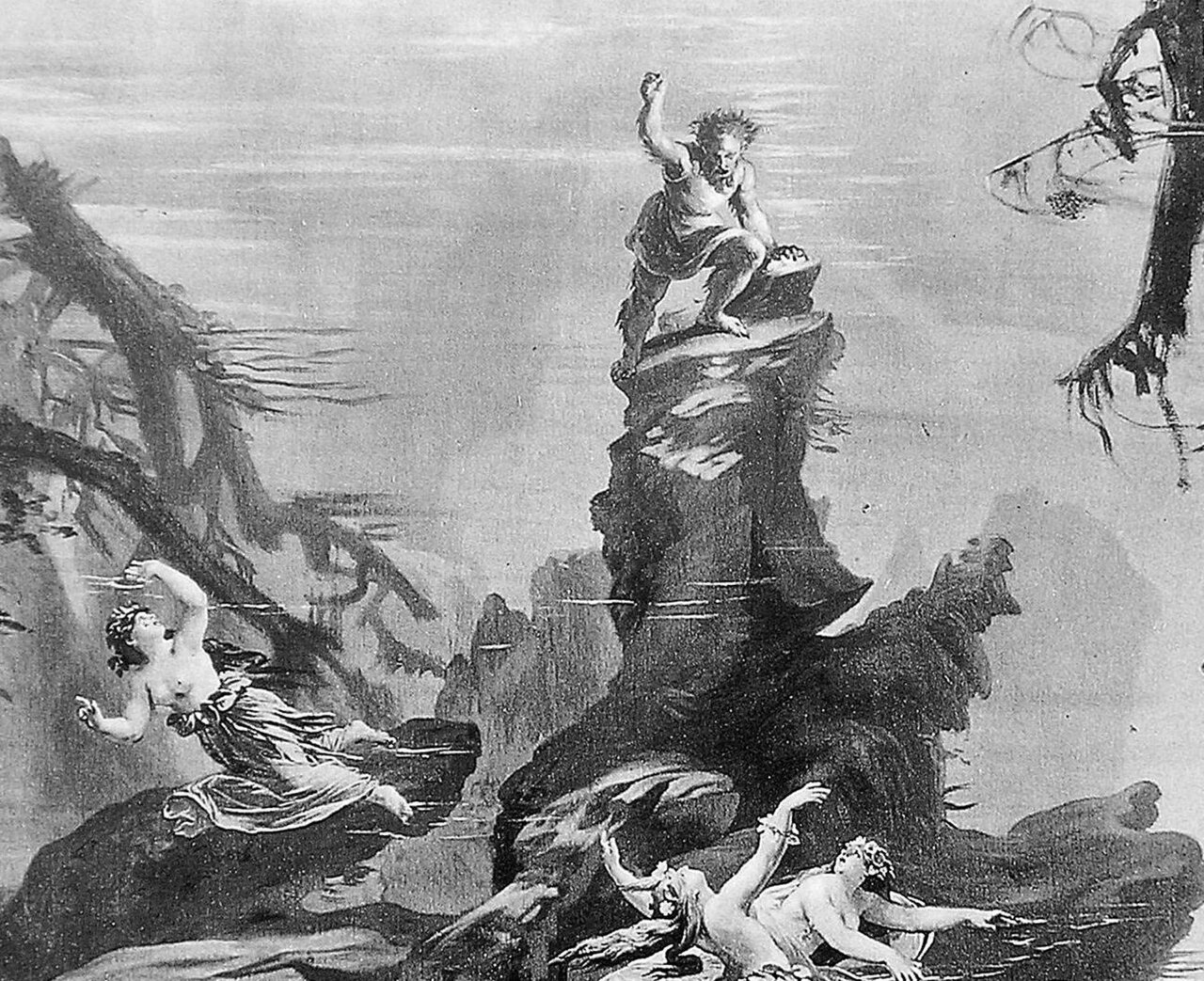
Das Rheingold is significant as Wagner's first work to adopt the principles set out in his 1851 essay Opera and Drama, under which conventional opera forms (arias, ensembles, choruses) were rejected. Instead, the music interprets the text emotionally, reflecting feelings and moods through a system of recurring leitmotifs representing people, ideas, and situations. It represents Wagner's most rigid adherence to these principles, despite a few deviations—the Rhinemaidens frequently sing in ensemble. The opera recounts Alberich's theft of the Rhine gold after his renunciation of love; his fashioning of the all-powerful ring and enslavement of the Nibelungs; Wotan's seizure of the gold and ring to pay his debt to the giants who built Valhalla; Alberich's curse on the ring; Erda's warning to Wotan; the early manifestation of the curse's power; and the gods' uneasy entry into Valhalla under the shadow of their impending doom.
Did You Know?
- Das Rheingold was the last of the four Ring librettos to be written, but the first to be set to music.
- The score was completed in 1854, but Wagner worked intermittently on the music until 1874.
- The 1869 Munich premiere was staged against Wagner's wishes, on the orders of King Ludwig II of Bavaria.
- Das Rheingold was Wagner's first work to adopt the principles from his 1851 essay Opera and Drama, rejecting conventional arias and ensembles.
- The Rhinemaidens frequently sing in ensemble, a deviation from Wagner's rejection of conventional opera forms.
Composition and Performance History
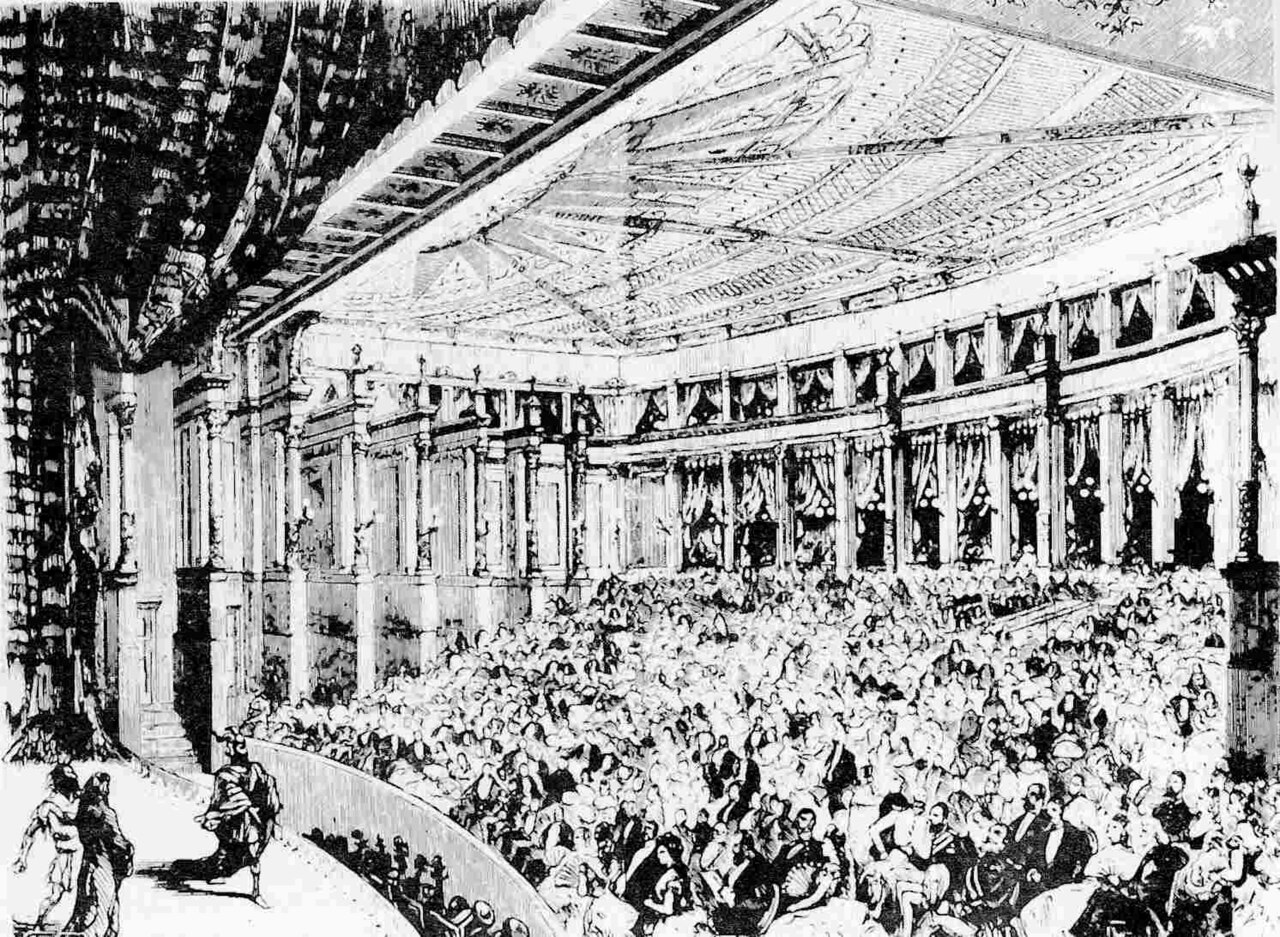
Wagner composed the libretto for Das Rheingold last among the four Ring texts, yet it was the first to receive a musical setting. The score reached completion in 1854, but the composer refused to authorize any public performance until the entire cycle stood finished. He continued to refine and adjust the music in fits and starts well into 1874. That patience was ultimately overridden: in September 1869, King Ludwig II of Bavaria, Wagner's royal patron, ordered the work staged as a standalone opera at Munich's National Theatre, directly contravening the composer's own wishes. The piece finally received its intended context in August 1876, when it opened the four-evening Ring cycle at the newly built Bayreuth Festspielhaus. That landmark production launched the cycle into the global operatic repertory. From that point forward, Das Rheingold and its three companion dramas became a steady and popular presence in the major opera houses around the world, a position they have maintained to the present day.
Musical Innovation and the Leitmotif System
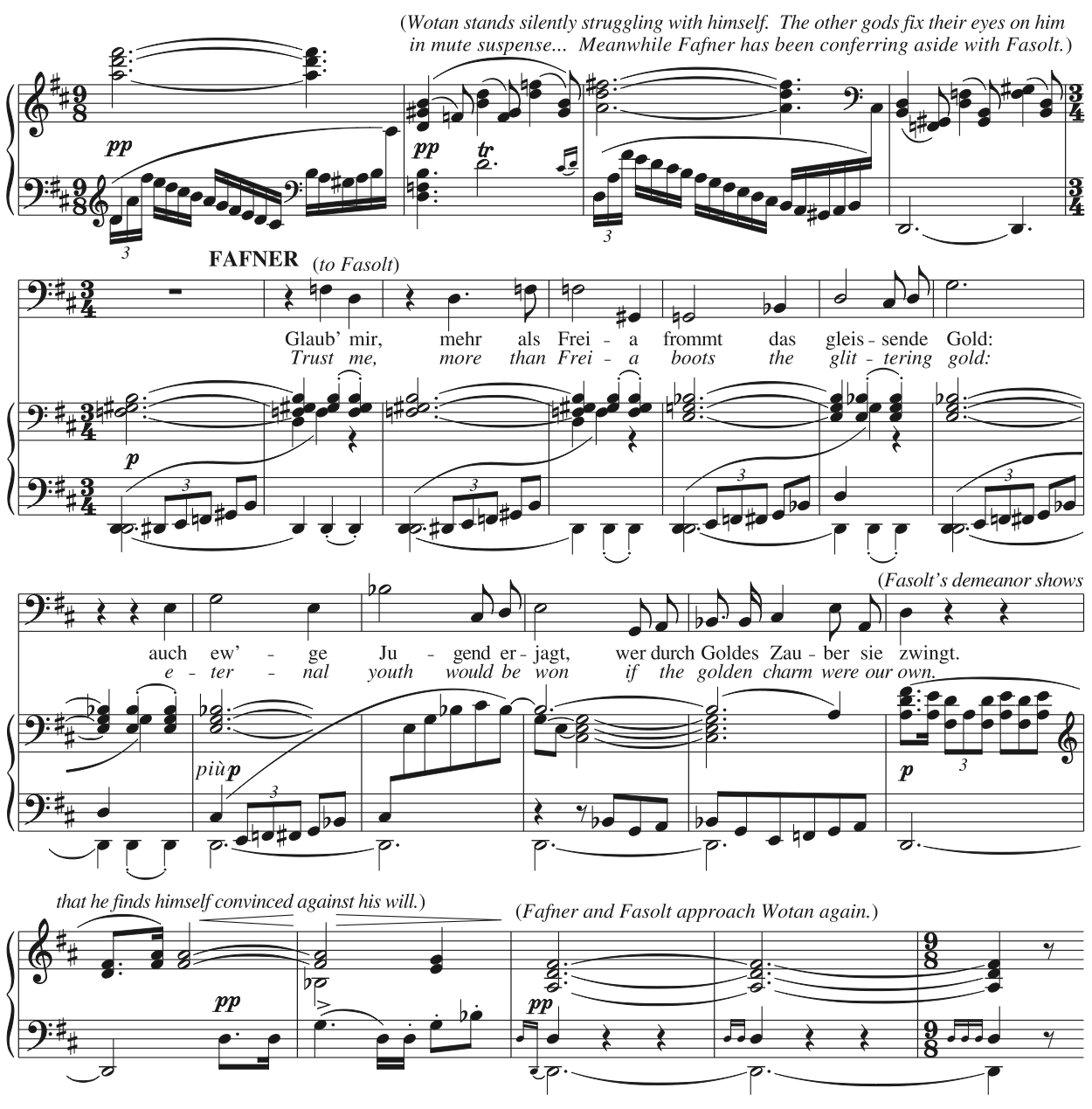
In his 1851 theoretical treatise Opera and Drama, Wagner articulated a radical reimagining of how staged music-dramas should be constructed. He dismissed the inherited architecture of opera—its arias, set ensembles, and standalone choruses—in favor of a through-composed approach in which the orchestra does not merely accompany the singers but actively interprets the emotional subtext of the libretto. Central to this vision was a network of recurring musical motifs, each tied to a character, an idea, or a dramatic situation, so that the score could reflect the inner feelings and moods beneath the spoken words. Das Rheingold stands as Wagner's inaugural attempt to put these principles into practice, and by his own standard his most disciplined execution of them. The work adheres so strictly to the new model that only minor departures appear; the most notable is the Rhinemaidens, who often join together in ensemble singing, a gesture that harks back to the very conventions Wagner had set out to abandon.
Narrative Function as Prologue
Within the four-evening Ring cycle, Das Rheingold serves as what Wagner called the preliminary evening, a prologue that lays the groundwork for every conflict driving the three subsequent dramas. The plot moves through a sequence of pivotal events: Alberich, a Nibelung dwarf, renounces love and seizes the Rhine gold, forging from it a ring of world-ruling power and enslaving his fellow Nibelungs. Wotan then appropriates the gold and the ring to settle his debt to the giants Fasolt and Fafner, who have constructed the fortress of Valhalla. In retaliation, Alberich hurls a curse upon the ring and all who will hold it. The earth-mother Erda warns Wotan to abandon the ring, yet he yields it to the giants anyway, and the curse's destructive force begins to manifest almost immediately. The evening closes with the gods settling into their new hall, their triumph shadowed by the unmistakable sense of an approaching doom.
Origins and Evolution of the Cycle
The Ring cycle did not begin as a tetralogy. After finishing Lohengrin in the spring of 1848, Wagner set his sights on Siegfried, the legendary Germanic hero. By October of that year he had drafted a prose outline for a work he called Siegfried's Death, which he then expanded into a full libretto. Following his flight from Dresden and his settlement in Switzerland, he grew convinced that a single opera could not contain the scope he envisioned. The project swelled into a linked series of musical dramas drawn from myth and invention, each depicting a stage in a larger narrative. In 1851, in his essay 'A Communication to My Friends,' he announced a plan of three complete dramas preceded by a lengthy prelude, to be performed over three days and a fore-evening at a dedicated festival. Over the following years the pieces were renamed and restructured: Siegfried's Death became Götterdämmerung, Young Siegfried became Siegfried, and Die Walküre took its place. The prologue, finally named Das Rheingold, completed the architecture.
Gallery

Frequently Asked Questions
What is Das Rheingold?
Das Rheingold is the opening music drama of Richard Wagner's four-part cycle Der Ring des Nibelungen, functioning as the prologue that establishes the backstory for the three subsequent evenings.
Who composed and wrote the libretto for Das Rheingold?
Richard Wagner composed both the music and the libretto himself. Notably, he actually wrote the text for Das Rheingold last among the four Ring dramas, even though it is performed first.
When and where did Das Rheingold first premiere?
It debuted as a standalone opera at the National Theatre in Munich on 22 September 1869. Its first performance as part of the complete Ring cycle took place at the Bayreuth Festspielhaus on 13 August 1876.
What role does Das Rheingold play within the Ring cycle?
It serves as the 'preliminary evening' that lays the groundwork for the main dramas, depicting the theft of the Rhine gold, its forging into a magic ring, and the enslavement of the dwarf Alberich by his brother Mime.
What happens in the plot of Das Rheingold?
The Rhinemaidens' treasure is stolen by the god Wotan (disguised as Wotane) in exchange for the freedom of the goddess Freia, then forged into a ring by the dwarf Alberich, who is subsequently enslaved by his brother Mime. The drama closes with the gods building Valhalla and the ring being hidden at the bottom of the Rhine.
More in Opera And Musical Theatre 1-19
Related in Opera And Musical Theatre
Links follow this subject's own source article.
Spotted an error? Know more?
This is a living reference — every entry is fact-audited, and reader corrections feed straight into our audit queue. Suggest an edit · See this site's audit record