
Die Meistersinger von Nürnberg
Wagner's only mature comedy, set in historical Nuremberg.

Unknown author · Public domain
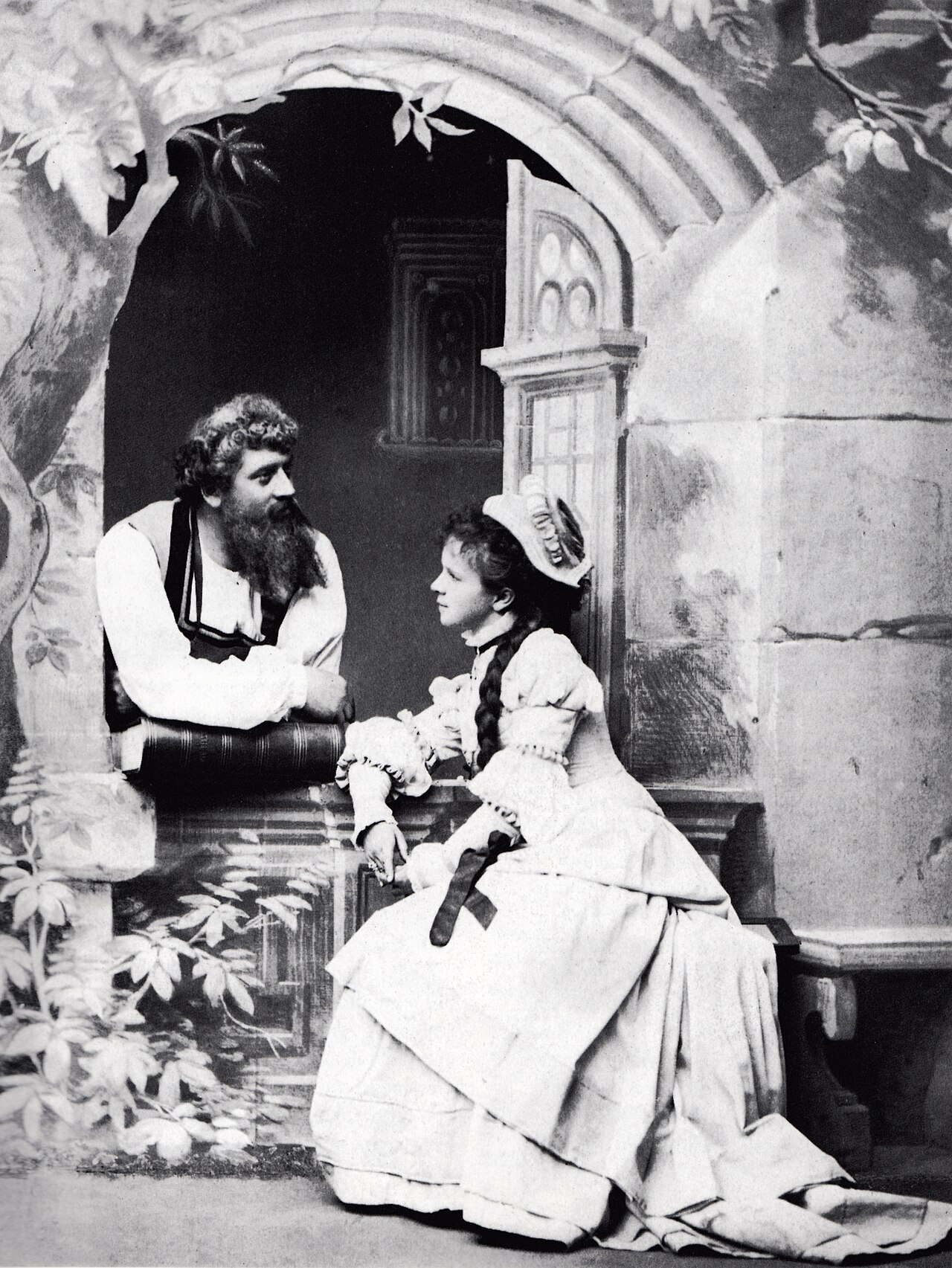
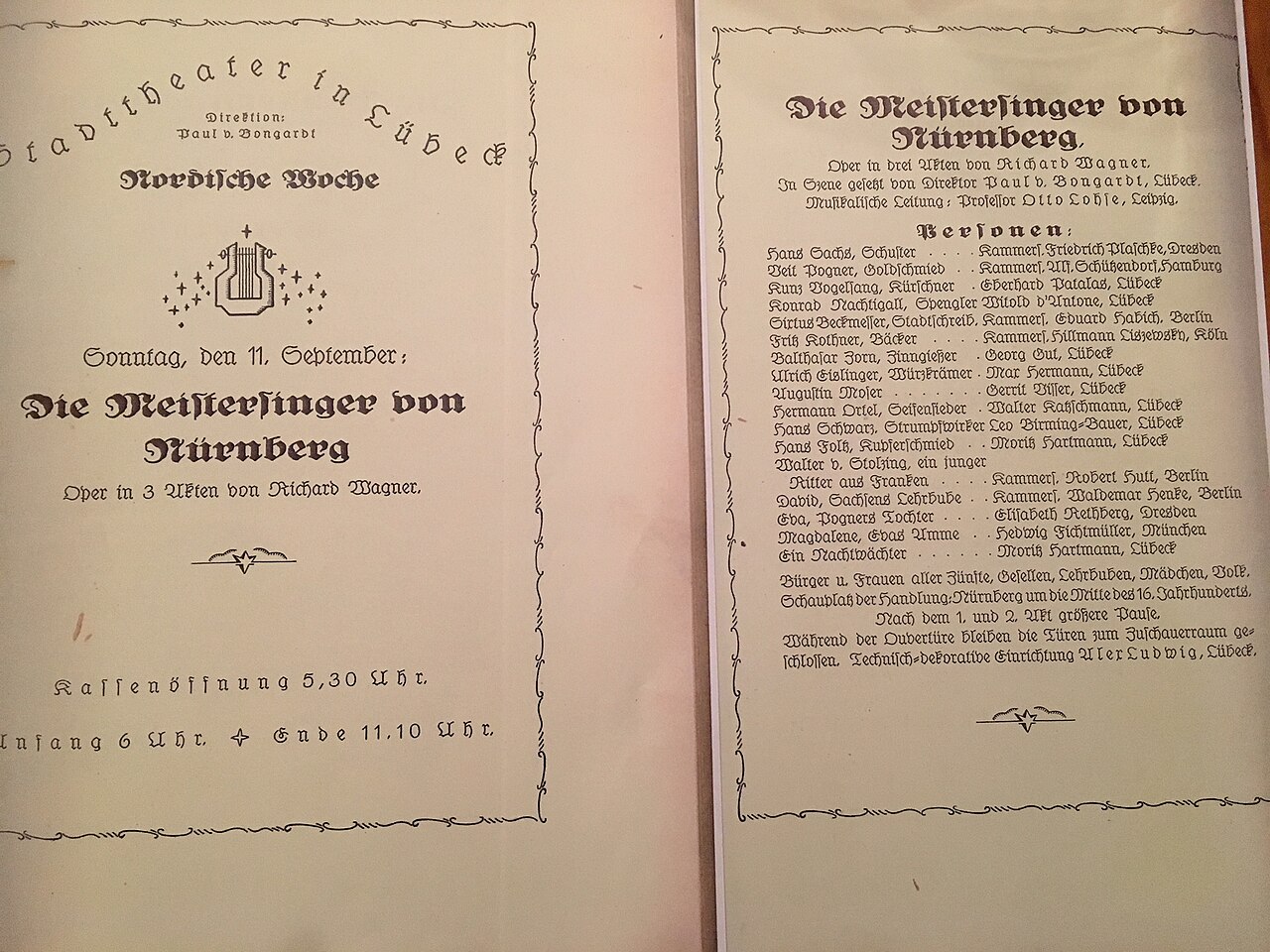
Die Meistersinger von Nürnberg (German: [diː ˈmaɪstɐˌzɪŋɐ fɔn ˈnʏʁnbɛːɐk]; 'The Master-Singers of Nuremberg'), WWV 96, is a music drama, or opera, in three acts, by Richard Wagner. It is the longest opera commonly performed, taking nearly four and a half hours, not counting two breaks between acts, and is traditionally not cut. The story is set in Nuremberg in the mid-16th century and revolves around the city's guild of Meistersinger (Master Singers), an association of amateur poets and musicians who were primarily master craftsmen of various trades.
- Composer
- Richard Wagner
- Venue
- National Theater, Munich
- Language
- German
- Acts
- 3
- Genre
- Music drama (comic opera)
- Setting
- Nuremberg, mid-16th century
Lore & Background
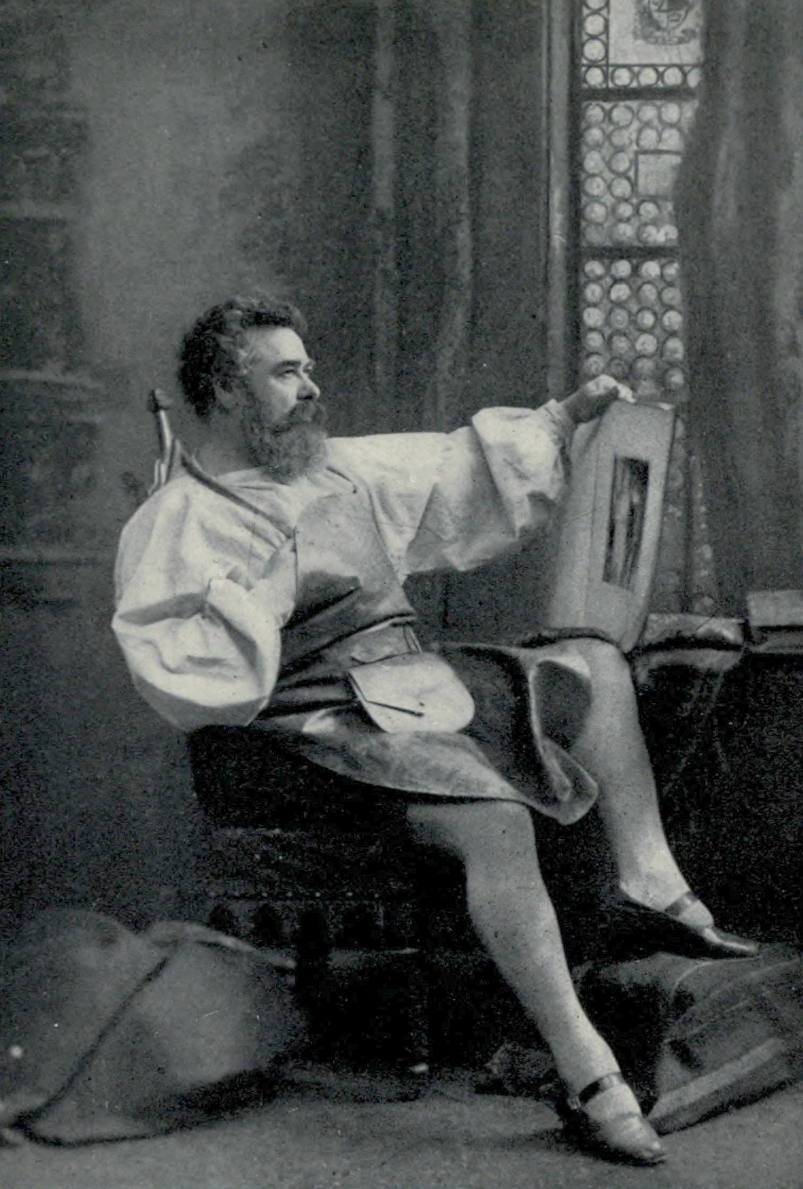
Die Meistersinger von Nürnberg occupies a unique place in Wagner's oeuvre. It is the only comedy among his mature operas (he had come to reject his early Das Liebesverbot) and is also unusual among his works in being set in a historically well-defined time and place rather than in a mythical or legendary setting. It is the only mature Wagner opera based on an entirely original story, and in which no supernatural or magical powers or events feature. It incorporates many of the operatic conventions that Wagner had railed against in his essays on the theory of opera: rhymed verse, arias, choruses, a quintet, and even a ballet. Wagner's autobiography Mein Leben described the genesis of the work. Wagner conceived a comic scene in which the popular artisan-poet, by hammering upon his cobbler's last, gives the Marker his come-uppance. The opening lines of a poem by the real-life Hans Sachs, 'Die Wittenbergisch Nachtigall', were later used in Act III Scene 5. Wagner also added a scene drawn from his own life, in which a case of mistaken identity led to a near-riot, which became the basis for the finale of Act II. As a result, Wagner re-evaluated his prescription for opera and included many traditional operatic elements in Die Meistersinger. Although a comedy, it also elucidates Wagner's ideas on the place of music in society, on renunciation of Wille (Will), and on the solace that music can bring in a world full of Wahn (delusion, folly, self-deception). The character of Hans Sachs became one of the most Schopenhauerian of Wagner's creations, showing calm renunciation of the prospect of becoming a suitor for Eva's love.
Reader's Guide
Die Meistersinger von Nürnberg is significant as Wagner's only mature comedy and his only opera set in a historically defined time and place. It represents a departure from his earlier theoretical writings, incorporating traditional operatic conventions such as arias, choruses, a quintet, and a ballet. The work draws heavily on the historical figure of Hans Sachs and the traditions of the Nuremberg master-singer guild. The opera's legacy includes its exploration of Schopenhauerian themes of renunciation and the solace of music amidst the folly of the world. The autograph manuscript is preserved in the Germanisches Nationalmuseum.
Did You Know?
- Die Meistersinger von Nürnberg is the longest opera commonly performed, taking nearly four and a half hours, not counting two breaks between acts, and is traditionally not cut.
- Franz Strauss, father of the composer Richard Strauss, played the French horn at the premiere, despite his often-expressed dislike of Wagner.
From a Walk in Marienbad to a Masterwork
There he was reading Gervinus' History of German Poetry, which contained chapters on the master-singer tradition and on the real Hans Sachs. During a walk, Wagner conceived a comic scene: the cobbler-poet hammering on his last while delivering a comeuppance to a pedantic Marker. Wagner later framed the opera as a comic counterpart to Tannhäuser, echoing the ancient Athenian practice of pairing a satyr play after a tragedy, with the song-contest serving as the thematic bridge between the two works.
Schopenhauer's Shadow Over Sachs
This encounter reshaped his thinking about operatic form. In his earlier essay Oper und Drama he had scorned arias, choruses, and set numbers; after Schopenhauer, he re-evaluated those prescriptions and wove them liberally into Die Meistersinger. The opera's philosophical core orbits Schopenhauerian concepts: Wille and Wahn, that delusion and self-deception. The Act II riot, born of mistaken identity, reads as a dramatization of Wahn driving people toward self-destructive behavior. In his famous Act III monologue, Sachs's cry of "Wahn, Wahn, überall Wahn" closely paraphrases Schopenhauer's account of how delusion compels a person into ruin. Wagner scholar Lucy Beckett has noted the striking resemblance between Wagner's Sachs and Schopenhauer's portrait of the noble man—marked by a silent sadness born of knowing the vanity of all achievement.
The Odd One Out in Wagner's Canon
Among Wagner's mature operas, Die Meistersinger stands apart on nearly every structural axis. It is the sole comedy in that body of work—he had long since rejected his early Das Liebesverbot—and the only one anchored in a clearly defined historical moment and place: mid-sixteenth-century Nuremberg, a free imperial city and Northern European Renaissance hub. No gods, no magic, no legendary past; the story is entirely Wagner's own invention, revolving around a guild of amateur poet-craftsmen who governed their art through intricate compositional rules. Yet, paradoxically, it is the opera most saturated with the very conventions Wagner had publicly denounced in his theoretical writings: rhymed verse, standalone arias, full choruses, a quintet, and even a ballet. The work thus embodies a kind of creative reconciliation, drawing its atmosphere from the guild's craftsmanlike discipline while embracing the formal richness he once dismissed.
Gallery
Frequently Asked Questions
What is Die Meistersinger von Nürnberg?
It is a three-act music drama, often described as a comic opera, composed by Richard Wagner (catalogued as WWV 96). The story is set in mid-16th-century Nuremberg and revolves around the city's guild of Master Singers, a group of amateur poet-musicians who were also skilled craftsmen in various trades.
Who composed Die Meistersinger von Nürnberg and where did it premiere?
Richard Wagner wrote both the music and the libretto for the work. It first premiered at the National Theater in Munich and is performed in German.
How long does Die Meistersinger von Nürnberg take to perform?
The opera runs close to four and a half hours across its three acts, making it the longest opera regularly staged in today's repertory. It is traditionally performed in its entirety without cuts, with two intermissions separating the acts.
What is the plot of Die Meistersinger von Nürnberg?
A young poet named Walther enters a singing contest overseen by the Master Singers' guild, while the cobbler Hans Sachs becomes entangled in a love triangle involving Eva and Walther. Sachs ultimately crafts a creative workaround that lets genuine artistic impulse prevail over the guild's rigid formal rules.
Why is Die Meistersinger von Nürnberg considered significant?
It stands as Wagner's only fully mature comedy, distinguishing it sharply from the grand tragic dramas that dominate his other output. Its themes of artistic freedom, the tension between tradition and innovation, and the role of craft in German culture give it a singular place in both the Wagnerian canon and the wider history of opera.
More in Opera And Musical Theatre 1-19
Spotted an error? Know more?
This is a living reference — every entry is fact-audited, and reader corrections feed straight into our audit queue. Suggest an edit · See this site's audit record