
Der Rosenkavalier
Comic opera by Richard Strauss with libretto by Hugo von Hofmannsthal.

via Wikipedia: Der Rosenkavalier · see source
Der Rosenkavalier (The Knight of the Rose or The Rose-Bearer), Op. 59, is a comic opera in three acts by Richard Strauss to an original German libretto by Hugo von Hofmannsthal. It is loosely adapted from Louvet de Couvrai's novel Les amours du chevalier de Faublas and Molière's comedy Monsieur de Pourceaugnac. First performed at the Königliches Opernhaus in Dresden on 26 January 1911, it became Strauss's most popular opera during his lifetime and remains a staple of operatic repertoire.
- Composer
- Richard Strauss
- Librettist
- Hugo von Hofmannsthal
- Premiere Date
- 26 January 1911
- Premiere Venue
- Königliches Opernhaus, Dresden
- Genre
- Comic opera
- Language
- German
- Notable Feature
- Showcases female voice with three female protagonists
Verified Timeline
Lore & Background
Richard Strauss first met Hugo von Hofmannsthal in 1899 in Berlin. After adapting Hofmannsthal's play Elektra into an opera that premiered on 25 January 1909, they agreed to collaborate on a new comedic project. Hofmannsthal visited Harry Graf Kessler in Weimar, and over a few days in February 1909, they drafted a scenario inspired by the 1907 operetta L'Ingénu libertin. Strauss approved the plot outline, and Act I's text was written in February–March 1909, with music finished in May. Act II was composed through summer 1909, and Strauss finished the music of the final act on 26 September 1910. The first production was slated to be directed by Georg Toller, but the creators lost faith in him and commissioned Alfred Roller to design sets and costumes. They also recruited Max Reinhardt to assist with rehearsals as a 'shadow director,' though Toller remained the sole credited director. Strauss mixed Romantic orchestration with elements inspired by classical Viennese musical traditions, including frequent anachronistic waltz rhythms, to create a nostalgic atmosphere associated with imperial Vienna. The opera has four main characters: the aristocratic Marschallin; her 17-year-old lover, Count Octavian Rofrano; her brutish cousin Baron Ochs; and Ochs's prospective fiancée, Sophie von Faninal. At the Marschallin's suggestion, Octavian acts as Ochs's Rosenkavalier by presenting a ceremonial silver rose to Sophie, but Octavian and Sophie fall in love and devise a comic intrigue to extricate Sophie from her engagement, with help from the Marschallin, who yields Octavian to Sophie.
Reader's Guide
Der Rosenkavalier is notable for showcasing the female voice, as its protagonists—light lyric soprano Sophie, mezzo-soprano Octavian, and mature dramatic soprano Marschallin—are written to be portrayed by women, who share several duets and a trio at the opera's emotional climax. Some singers have performed two or even all three of these roles over their careers. The opera incorporates weighty themes including infidelity, aging, sexual predation, and selflessness in love, particularly through the Marschallin's character arc. From its premiere, the opera was a triumph: tickets sold out almost immediately, resulting in a financial boom for the house. Though some critics took issue with Strauss's anachronistic use of waltz music, the public embraced it unconditionally. Within two months, it was translated into Italian and performed at La Scala. The work reached the United Kingdom on 29 January 1913 at the Royal Opera House in London, and the United States on 9 December 1913 at the Metropolitan Opera. It has been regularly performed and recorded, with many productions at notable houses worldwide, including the Salzburg Festival in 1929, San Francisco Opera in 1940, and Lyric Opera of Chicago in 1970.
Did You Know?
- Until the premiere, the working title was Ochs auf Lerchenau.
- The choice of the name Ochs is not accidental, as 'Ochs' means 'ox', which describes the Baron's manner.
- The story takes place in the 1740s, but Strauss intentionally used waltz rhythms that only became famous in Vienna during the early 19th century.
- Margarethe Siems, who sang the Marschallin at the premiere, had previously sung Strauss's first Chrysothemis.
- The opera was first performed in Australia as a radio broadcast on 7 January 1936, featuring Florence Austral.
The Making of a Comedy
After the dark intensity of Elektra, Richard Strauss and Hugo von Hofmannsthal set out to craft something lighter and more playful. Their partnership had begun in 1899 in Berlin, but the comedic project took shape only after the 1909 Elektra premiere. Early attempts faltered—Strauss turned down Hofmannsthal's Christinas Heimreise, and Molière's plays proved unworkable. The breakthrough came in February 1909 when Hofmannsthal spent several days with Harry Graf Kessler in Weimar, sketching a scenario inspired by the 1907 Paris operetta L'Ingénu libertin. Strauss approved the outline, and the creative engine roared to life. Act I's libretto emerged in February and March 1909, with its music completed by May. The summer brought Act II, during which the two collaborators injected additional comic twists. By spring 1910, the first two acts were in print and the libretto was complete. Strauss closed the score on 26 September 1910. The story drew loosely on Louvet de Couvrai's novel Les amours du chevalier de Faublas and Molière's Monsieur de Pourceaugnac, giving the duo a framework rich in romantic entanglements and social comedy.
A World of Three Women and One Ox
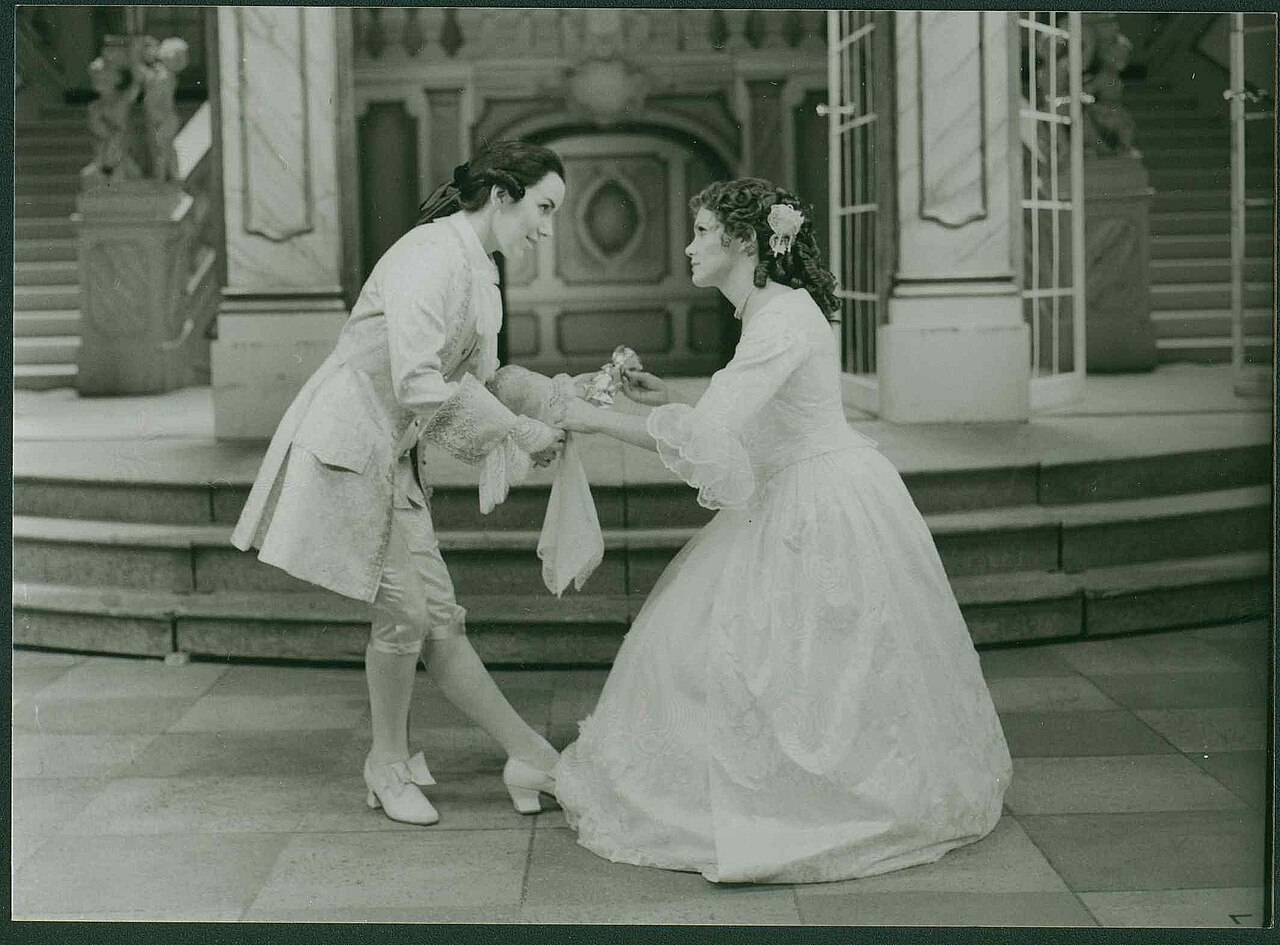
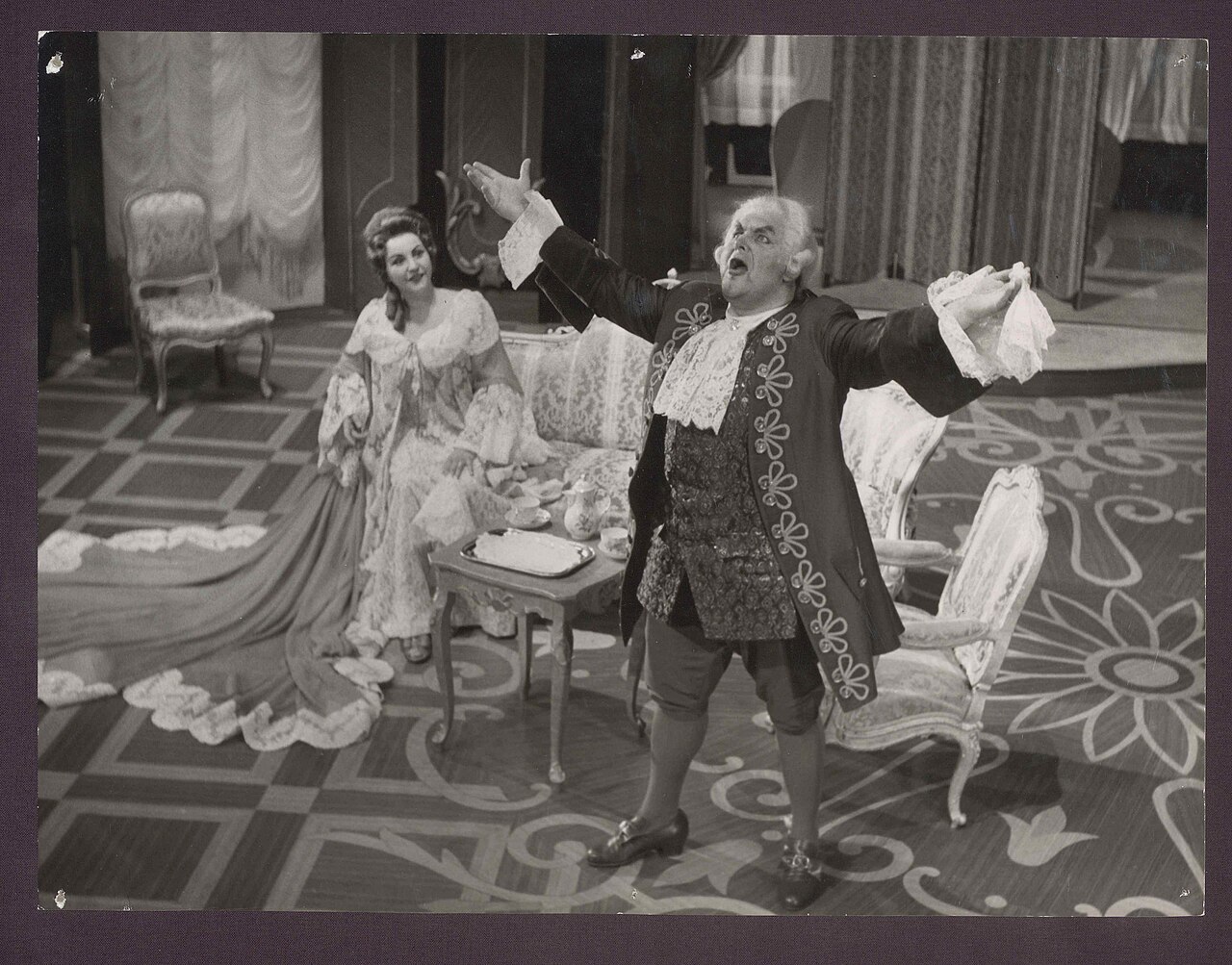
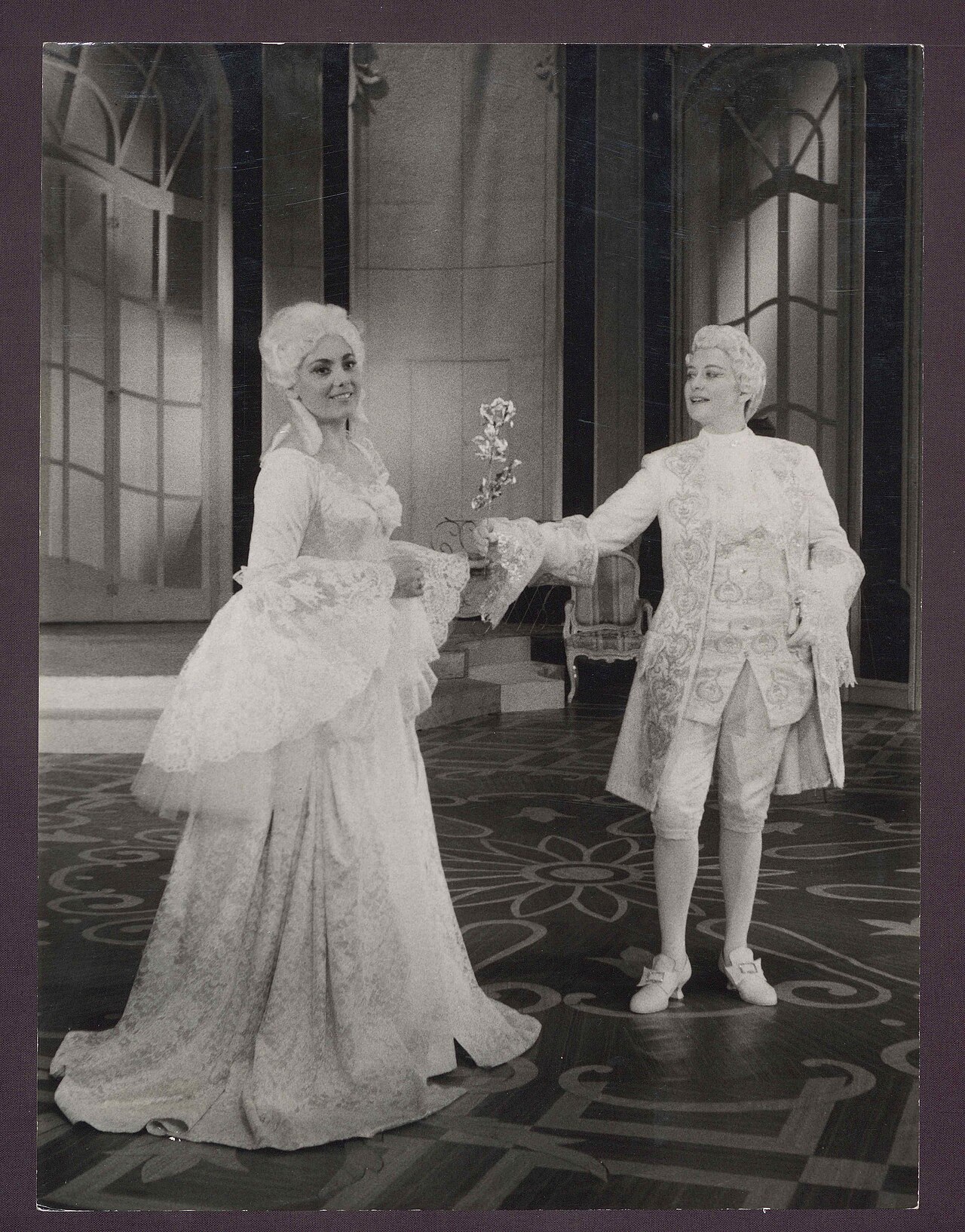
At the heart of the opera sit four figures whose interplay drives both the comedy and its deeper emotional currents. The aristocratic Marschallin, a mature dramatic soprano, is entangled with her seventeen-year-old lover Count Octavian Rofrano, written for a mezzo-soprano. Opposing them is the brutish Baron Ochs—the choice of the name Ochs is not accidental, as 'Ochs' means 'ox', which describes the Baron's manner—and his prospective bride, Sophie von Faninal, the daughter of a wealthy bourgeois family, sung by a light lyric soprano. At the Marschallin's suggestion, Octavian serves as Ochs's Rosenkavalier, delivering a ceremonial silver rose to Sophie. The two young people fall in love instantly and, with the Marschallin's aid, orchestrate a comic scheme to free Sophie from the engagement. The Marschallin ultimately yields Octavian to Sophie. Beneath the farce lie serious themes: infidelity, the ache of aging, sexual predation, and selfless devotion. The work is celebrated for centering the female voice—three women share duets and a climactic trio, and some singers have performed two or even all three roles over their careers.
A Dresden Triumph
The world premiere took place on 26 January 1911 at the Königliches Opernhaus in Dresden, conducted by Ernst von Schuch, the same baton who had led the first performances of Strauss's Feuersnot, Salome, and Elektra. The production was directed by Max Reinhardt, who had been controversially brought in as a 'shadow director' to assist the officially credited Georg Toller. The working title until the premiere was Ochs auf Lerchenau. Margarethe Siems, who had sung Strauss's first Chrysothemis, delivered what would be the pinnacle of her career as the Marschallin, while Minnie Nast took Sophie and Eva von der Osten portrayed the breeches role of Octavian. From the very first night, the opera was an unqualified triumph. Tickets reportedly sold out almost immediately, generating a financial windfall for the house. A handful of critics objected to Strauss's anachronistic waltz rhythms—deliberate, as the story is set in the 1740s yet the waltz only became a Viennese phenomenon in the early nineteenth century—but the public embraced the work wholeheartedly. It went on to become Strauss's most popular opera during his lifetime.
Conquering the World's Stages
The opera's global conquest was swift. Within two months of the Dresden premiere, an Italian translation had been mounted at La Scala under conductor Tullio Serafin, with Lucrezia Bori singing Octavian. The Austrian premiere followed on 8 April at the Vienna Court Opera, conducted by Franz Schalk, with Lucie Weidt as the Marschallin. Rome's Teatro Costanzi received the work on 14 November, with Egisto Tango conducting and Hariclea Darclée in the Marschallin. The United Kingdom premiere arrived at the Royal Opera House in London on 29 January 1913, produced by T. C. Fairbairn and conducted by Thomas Beecham, with Margarethe Siems returning to the Marschallin. The Metropolitan Opera in the United States gave its first performance on 9 December of that year, conducted by Alfred Hertz, with Frieda Hempel as the Marschallin. Since then, Der Rosenkavalier has remained a fixture of the international repertoire, with numerous recordings and regular stagings. Its blend of Romantic orchestration with Viennese waltz rhythms, its rich female vocal writing, and its mix of comedy and emotional depth have ensured its place as one of the most beloved operas of the twentieth century.
Gallery
Frequently Asked Questions
What is Der Rosenkavalier?
Der Rosenkavalier (often translated as 'The Knight of the Rose' or 'The Rose-Bearer') is a three-act comic opera by Richard Strauss, Op. 59, with an original German libretto by Hugo von Hofmannsthal. It is loosely inspired by Louvet de Couvrai's novel about the Chevalier de Faublas and by Molière's comedy Monsieur de Pourceaugnac.
Who composed Der Rosenkavalier and who wrote the libretto?
Richard Strauss wrote the music, and Hugo von Hofmannsthal crafted the German-language libretto. Their collaboration on this work is widely regarded as one of the great partnerships in late-Romantic opera.
When and where did Der Rosenkavalier have its world premiere?
The opera was first performed on 26 January 1911 at the Königliches Opernhaus in Dresden. It went on to become the most popular of Strauss's operas during his own lifetime.
What genre is Der Rosenkavalier and what language is it sung in?
It is classified as a comic opera in three acts, performed entirely in German. Despite the 'comic' label, fans often note that the score leans heavily toward lyrical melancholy and bittersweet nostalgia rather than straightforward humor.
Why is Der Rosenkavalier still so important to opera fans today?
It remains a staple of the standard operatic repertoire and is frequently staged by major houses worldwide. The combination of Strauss's lush orchestral writing with Hofmannsthal's literary, character-driven text gave the work a lasting appeal that has kept it in the canon for over a century.
More in Opera And Musical Theatre 1-19
Spotted an error? Know more?
This is a living reference — every entry is fact-audited, and reader corrections feed straight into our audit queue. Suggest an edit · See this site's audit record